
We’ve all felt it. That quiet exhale when you walk into a space that just feels right. Not loud, not sterile, not overdesigned. Just calm. There’s more to it than good taste. Behind the scenes, our brains are constantly reacting to our surroundings, picking up cues that either soothe or stimulate. The best designers know how to work with that, not against it.
At Moventi Ltd, we’ve been exploring the science behind what makes a space feel calm. And more importantly, how we can design spaces that support clarity, focus and emotional ease.
Your Brain Loves Order
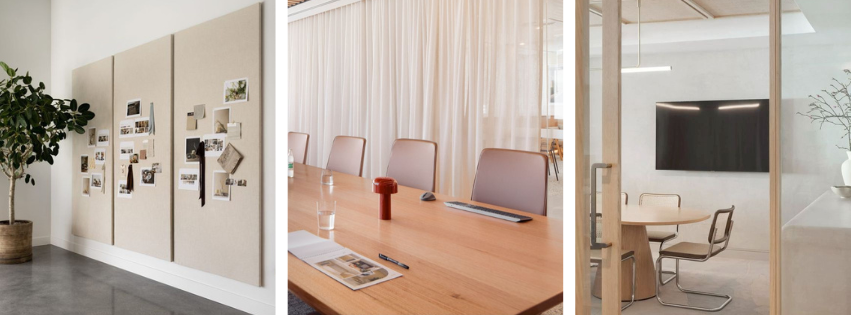
One of the first things the brain looks for in any space is visual order. We’re wired to seek patterns and predictability, because it helps us process information quickly and feel in control. When a space is cluttered, chaotic or overstimulating, our brains must work harder. That can lead to stress and mental fatigue, even if we don’t realise it.
Designing for calm means embracing clarity. Think clean lines, intentional layouts and a sense of visual rhythm. It doesn’t mean boring. It means balanced.
Natural Light and the Nervous System
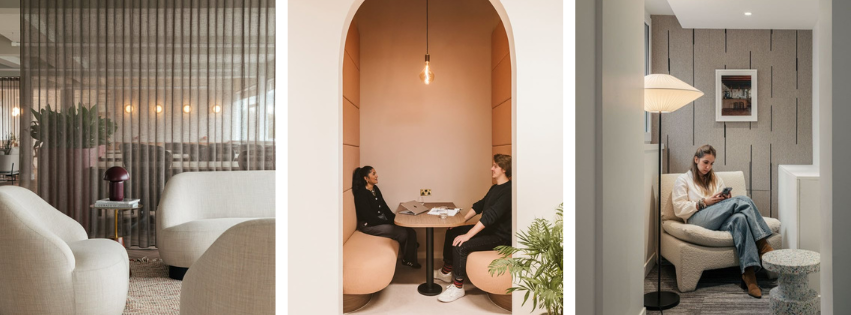
Lighting has a direct impact on our circadian rhythm, mood and cognitive function. Natural light helps regulate the production of serotonin and melatonin. That’s why spaces with good daylight tend to feel instantly uplifting.
Designers are prioritising light in smarter ways. From choosing materials that reflect it softly, to creating layouts that maximise its reach throughout the day. Even the colour temperature of artificial lighting matters. Warm, indirect light creates a sense of intimacy and ease. Bright, cool light sharpens focus. The key is giving people the right light at the right time.
Tactility and the Power of Touch
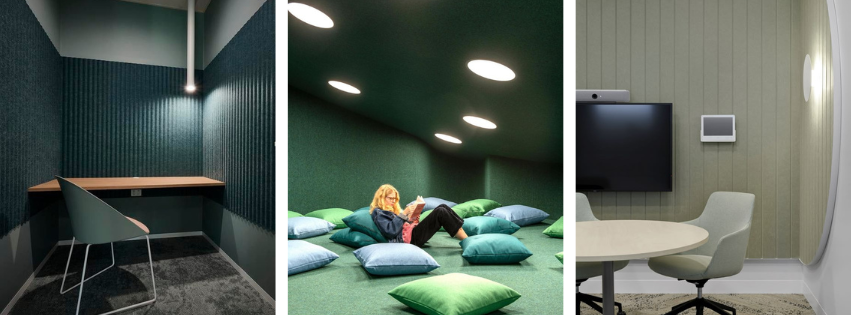
Our skin is a sensory organ, constantly sending messages to the brain. Soft textures like wool and boucle can help the nervous system relax. Smooth, cool surfaces like timber or stone offer a grounding effect.
By layering tactile materials, we create spaces that invite interaction and quiet the mind. It’s not just about comfort. It’s about engaging the senses in a way that feels reassuring and human.
The Role of Sound
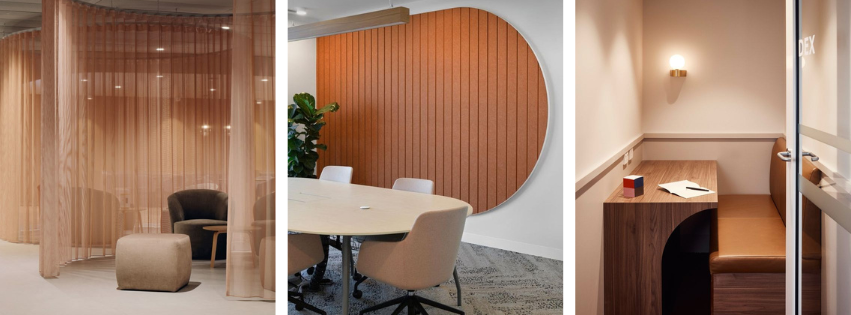
Acoustic comfort is often overlooked but it’s fundamental to creating a calm space. High levels of background noise or echo can increase cortisol levels and reduce our ability to concentrate.
We’re seeing a rise in acoustic-conscious design. From upholstered wall panels and felt screens to sculptural baffles that double as art, designers are finding creative ways to soften sound without compromising style.
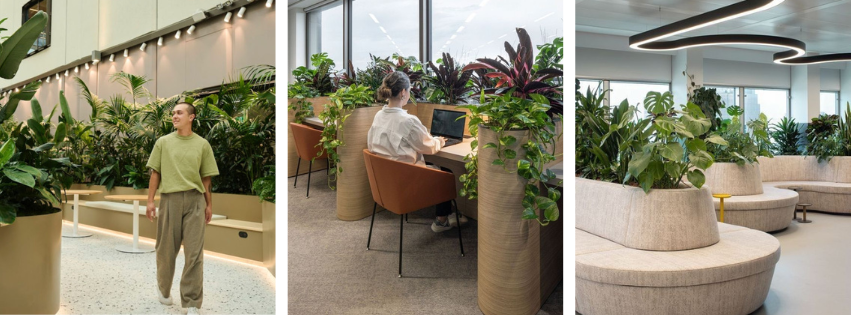
Biophilia and the Calm Connection
Our brains have a deep affinity with nature. The presence of plants, organic forms and natural materials can reduce blood pressure, improve focus and even enhance creativity.
Biophilic design isn’t about turning every room into a jungle. It’s about bringing in those subtle natural cues that signal safety and serenity. Timber grain, green tones, curved shapes and airflow all work together to ground the body and calm the mind.
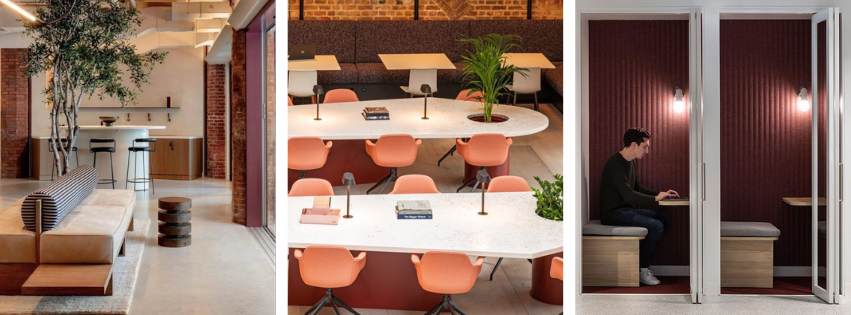
Calm is the New Luxury
In a fast-paced, always-on world, calm has become one of the most valuable design qualities we can offer. It’s not about silence or stillness. It’s about giving people a moment of ease. A chance to breathe. A space that supports how they think, feel and move through their day.