
Sustainability in the built environment has evolved. It is no longer just about recycling bins, green walls or a well-placed sustainability badge. Modern responsibility means understanding the full carbon impact of the spaces we create and designing workplaces that not only look exceptional but genuinely minimise their environmental footprint over the long term.
Understanding the Full Carbon Picture
When we talk about sustainability in workplace fit out, there are two key concepts:
Embodied carbon: the emissions produced when manufacturing, transporting and installing materials and products
Operational carbon: the carbon produced from the day-to-day running of a building, such as heating, cooling and lighting
Traditionally, efforts have focused on reducing operational emissions through LED lighting, efficient HVAC systems and renewable energy. While this remains crucial, embodied carbon now represents a significant share of total emissions across a building’s lifecycle.
That means furniture, flooring, partitions, finishes and fixtures all play an essential role.
Why Furniture Choices Have a Huge Role to Play
With sustainability targets becoming more common, workplace designers and clients are increasingly asking:
- What is the true carbon footprint of this product?
- How long will it last?
- What happens at the end of its life
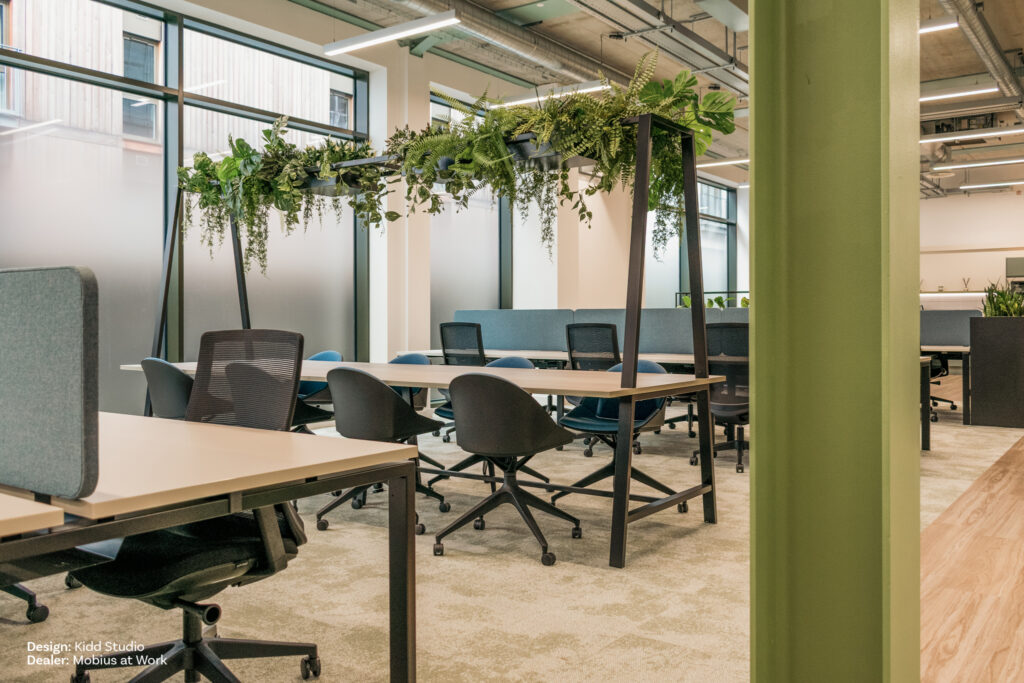
These are important questions. Furniture is frequently replaced more regularly than core building materials, so its carbon impact accumulates. Choosing durable, high-quality pieces that will perform for 10+ years spreads their embodied carbon over a longer period, reducing their annualised environmental impact.
Transparency Matters
As sustainability expectations rise, manufacturers have a responsibility to provide clear, credible and consistent carbon data.
Environmental Product Declarations, lifecycle assessments and verified embodied carbon figures are becoming expected rather than optional. For design teams and clients, transparent information supports informed decisions and ensures sustainability claims are genuine. In short: if you cannot measure it, you cannot manage it.
Manufacturers who openly share carbon data and material information empower project teams to make responsible, impact-led choices.
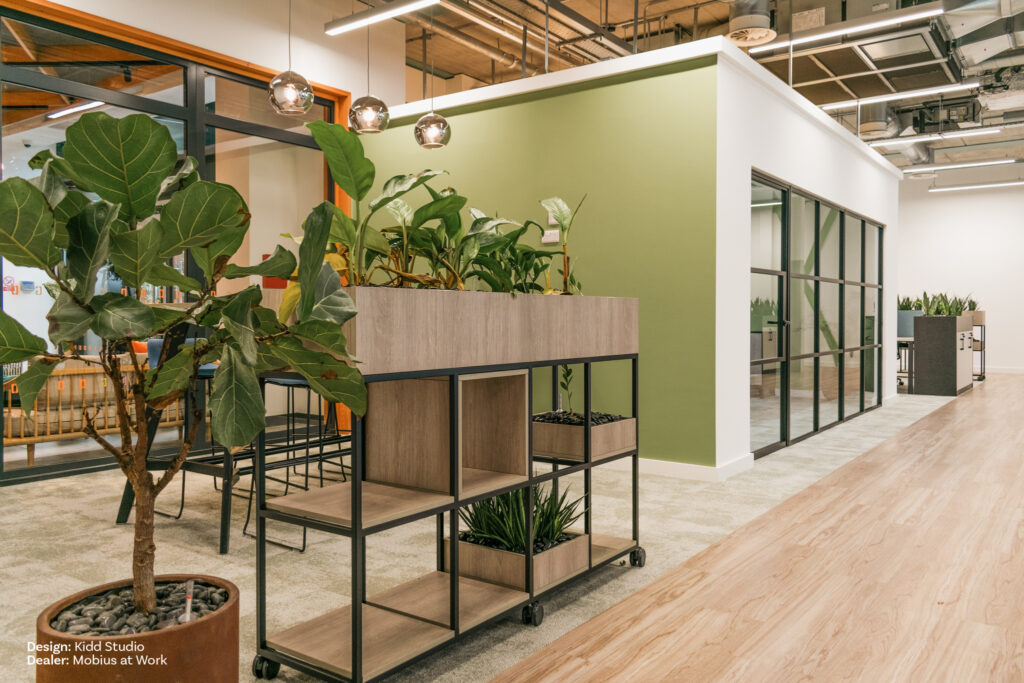
Sustainability is nuanced. For example, natural wood products typically contain low recycled content because they use virgin material. However, this does not make them less sustainable. Wood is renewable, durable, repairable and biodegradable. When responsibly sourced, it can outperform many recycled alternatives in longevity and end-of-life potential.
Recycled plastics and re-engineered materials can also be highly sustainable when they:
- Divert waste from landfill
- Have low embodied carbon
- Are designed for long-term use & disassembly for recycling & future-proofing
The key is understanding that material sustainability cannot be judged on a single metric. Lifespan, circularity, carbon impact and recyclability all matter.
Ongoing Carbon Matters Too
Furniture is only one part of the picture. Other elements have significant carbon impacts, including:
- Air conditioning and HVAC systems
- Flooring and finishes that are replaced frequently
- Lighting and electrical systems
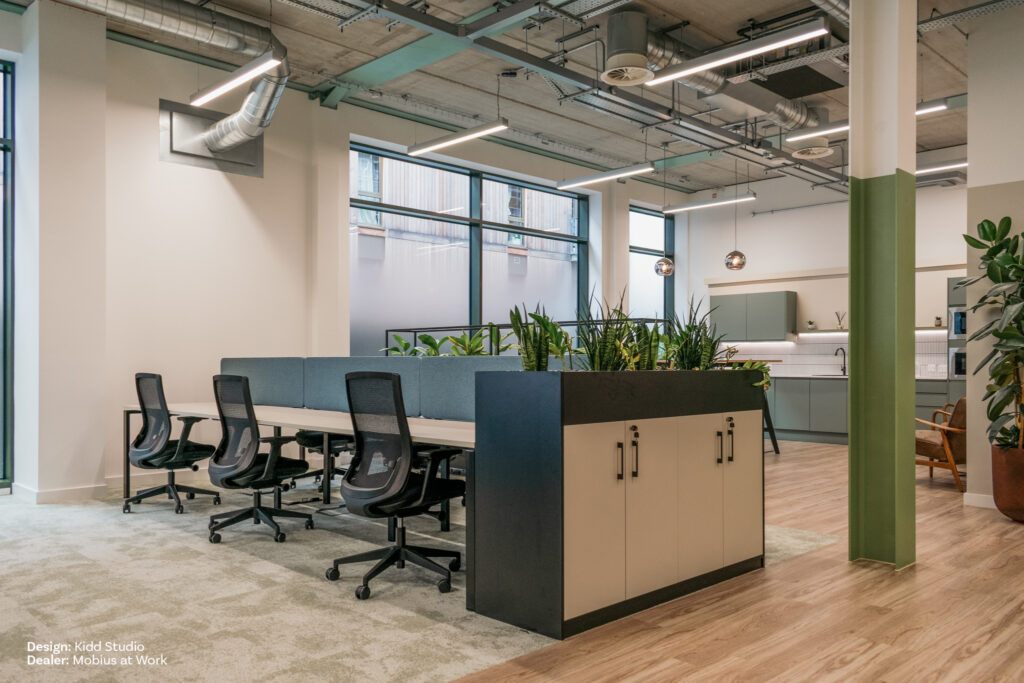
Sustainable specification means considering both embodied and operational carbon, balancing immediate impact with long-term performance. A product that uses more material but lasts twice as long may ultimately be the lower-carbon choice.
What Good Carbon-Responsible Fit Out Looks Like
Forward-thinking workplace projects are now characterised by:
✅ Low-carbon material selection
✅ Verified and transparent carbon data
✅ Long-life, repairable and modular furniture
✅ Responsibly sourced timber
✅ Plans for reuse, refurbishment or recycling
✅ Early consideration of operational carbon
This is not about perfection. It is about progress, accountability and informed decision-making. The goal is simple: build spaces that are designed for the future and respectful of the resources that make them possible.