Creating a Work-Life Balance: Incorporating Relaxation and Recreation Spaces into Workplace Design
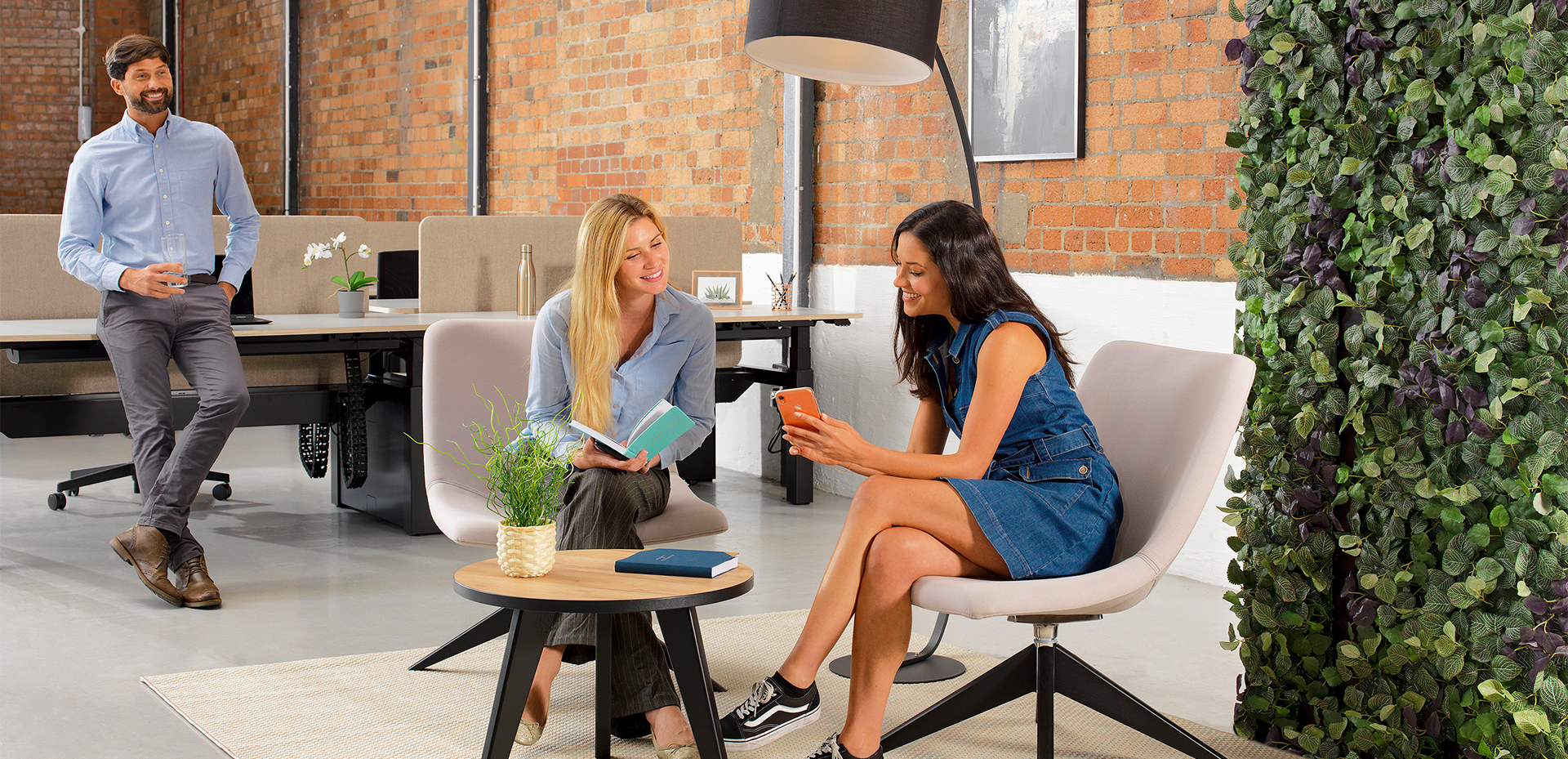
Achieving a healthy work-life balance has become increasingly important in today’s fast-paced work culture. As organizations recognize the significance of employee wellbeing, they are incorporating relaxation and recreation spaces into their workplace. By providing dedicated areas for relaxation and leisure activities, companies are empowering their employees to recharge, de-stress, and find a sense of balance in the workplace. In this post, we will explore the benefits of incorporating these spaces into office designs and discuss practical ways to create a work environment that supports work-life balance.
1. Understanding the Importance of Work-Life Balance:
Maintaining a work-life balance is crucial for overall well-being and productivity. When employees have the opportunity to relax and engage in recreational activities during work hours, it enhances their mental and physical health, reduces stress, and promotes job satisfaction. Creating a work environment that encourages work-life balance is not only beneficial for employees but also leads to increased creativity, motivation, and ultimately, improved business outcomes.
2. Designing Relaxation Spaces:
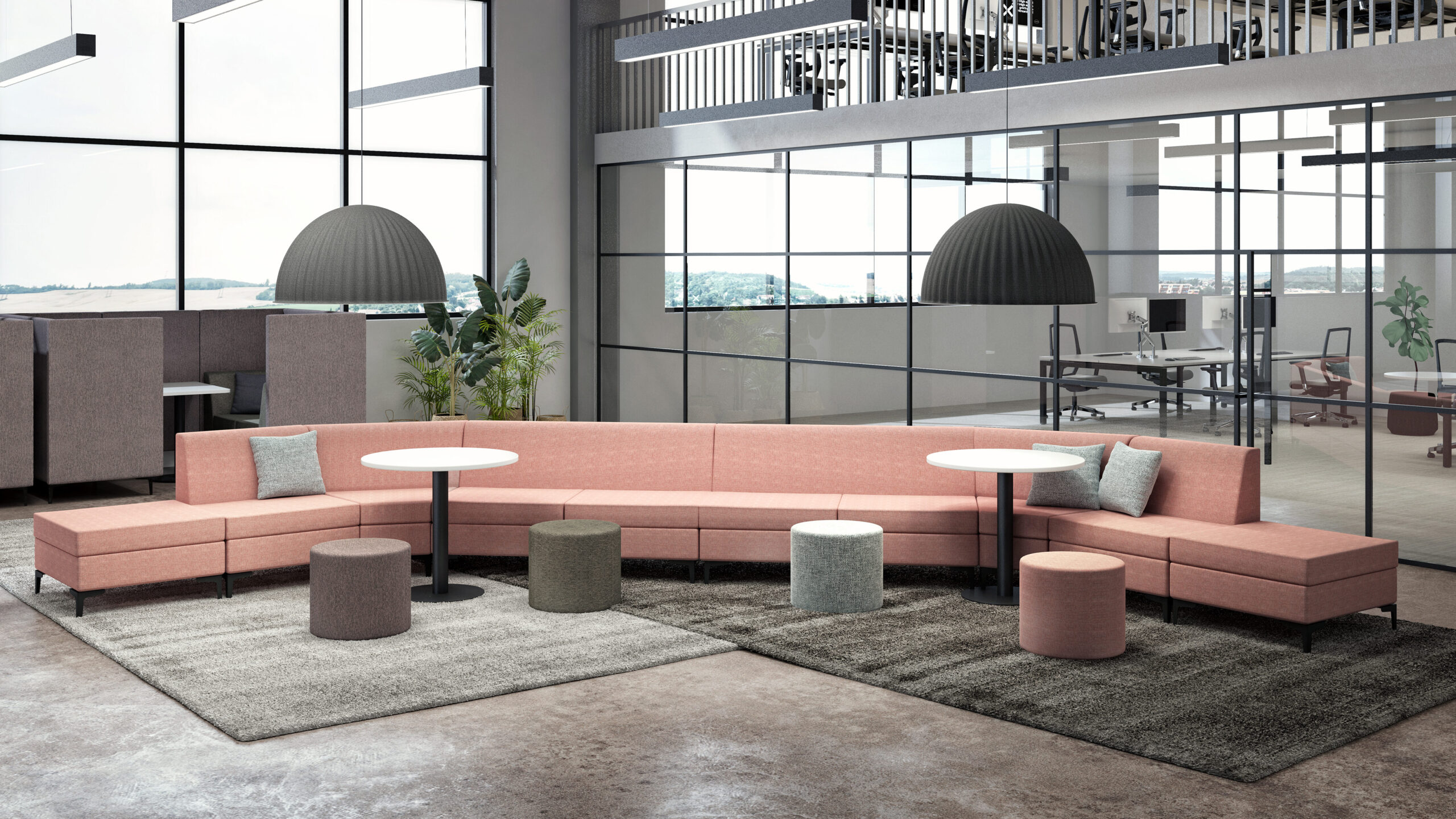
To create relaxation spaces within the office, consider incorporating comfortable seating options such as ergonomic lounge chairs or comfortable sofas. These spaces can be designed to have soft lighting, a calming colour palette, and biophilia to promote relaxation and tranquillity. Adding acoustic elements like sound-absorbing panels can help create a peaceful atmosphere, allowing employees to disconnect and recharge.
3. Multi-functional Furniture Design:
To optimize space and flexibility, invest in multi-functional office furniture that can be easily reconfigured. Collaborative seating arrangements, modular furniture systems, and movable zoning tools or partitions allow for seamless transformation of spaces. This versatility ensures that relaxation and recreation areas can be adapted to meet the diverse needs of employees and accommodate different activities or group sizes.
5. Privacy and Personalization:
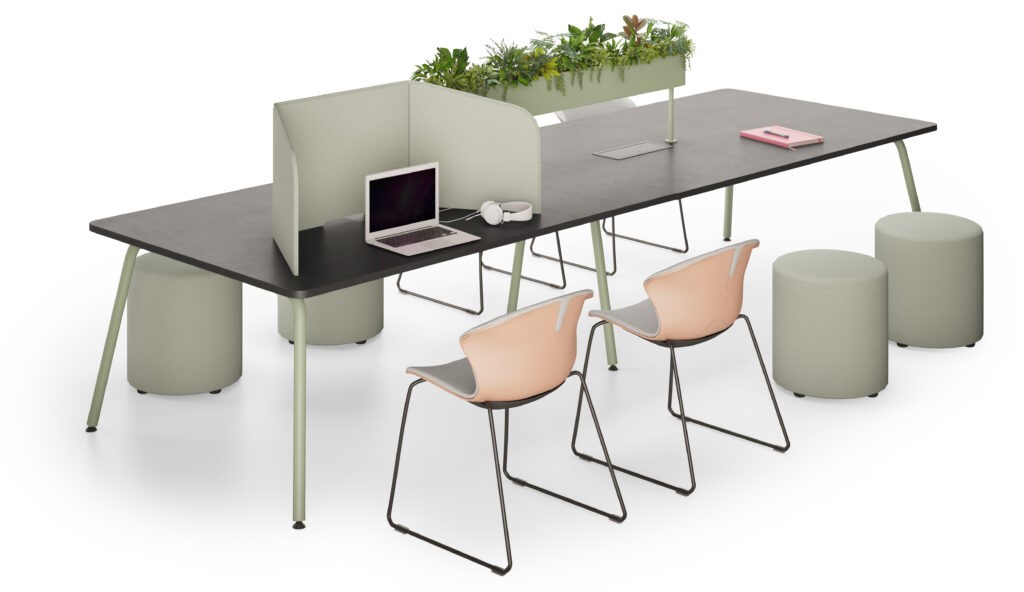
Respecting privacy is important when designing relaxation and recreation spaces. Incorporate personal dividers, screens, or biophilic zoning to create private nooks for individuals who prefer solitude or quiet reflection. Additionally, encourage employees to personalize these spaces with plants, artwork, or personal mementos, fostering a sense of ownership and comfort.
6. Encouraging Breaks and Setting Policies:
To fully embrace work-life balance, organizations should actively encourage employees to take regular breaks and utilize relaxation and recreation spaces. Encourage managers to lead by example and promote a culture that values self-care and work-life integration. Consider implementing policies that promote designated break times and discourage after-hours work to ensure that employees can truly disconnect and recharge during their breaks.
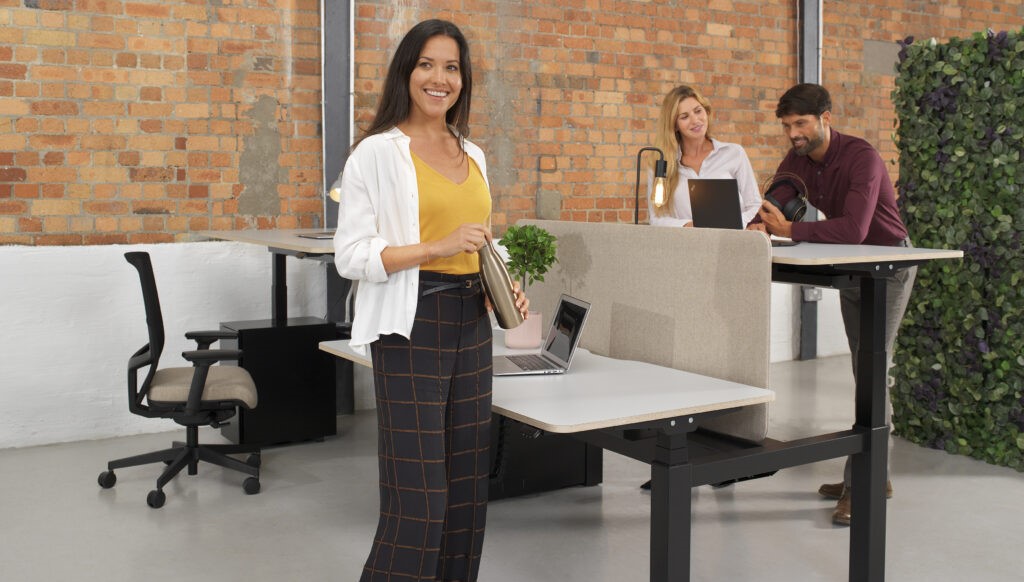
By incorporating relaxation and recreation spaces into workplace designs, organizations are prioritizing employee well-being and creating an environment that supports work-life balance. These dedicated spaces not only promote relaxation and rejuvenation but also encourage collaboration, creativity, and overall job satisfaction. By investing in multi-functional furniture, fostering privacy and personalization, and establishing supportive policies, companies can empower their employees to find a harmonious balance between work and personal life. Ultimately, a workplace that embraces work-life balance leads to happier, healthier, and more engaged employees, which positively impacts productivity and overall organizational success.