Designing for Focus: How the Right Materials Can Supercharge Concentration
We are often told lighting, layout and culture matter in the workplace, but what about the materials under our fingertips or around our ears? The surfaces, fabrics and finishes we choose quietly shape how well we focus, how calm we feel and how much creative energy we can bring to work.
Drawing on insights from industry experts and recent studies, here are four material choices with proven impact on concentration and how to use them well.
1. Acoustic Felt Panels
Imagine sitting in an open plan office where every conversation, keyboard tap or ringing phone threatens to pull you off task. Background noise and poor acoustics are among the top disruptors of productivity [1].
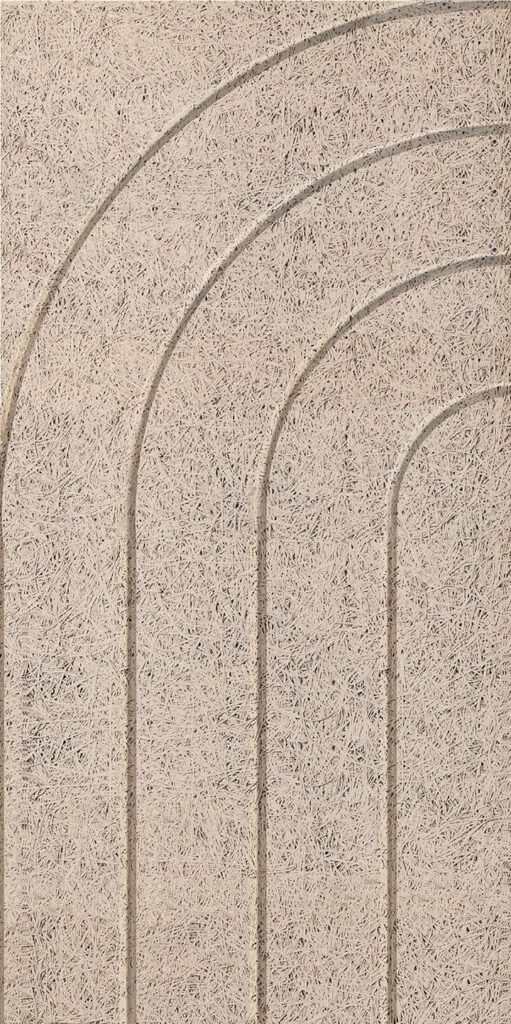
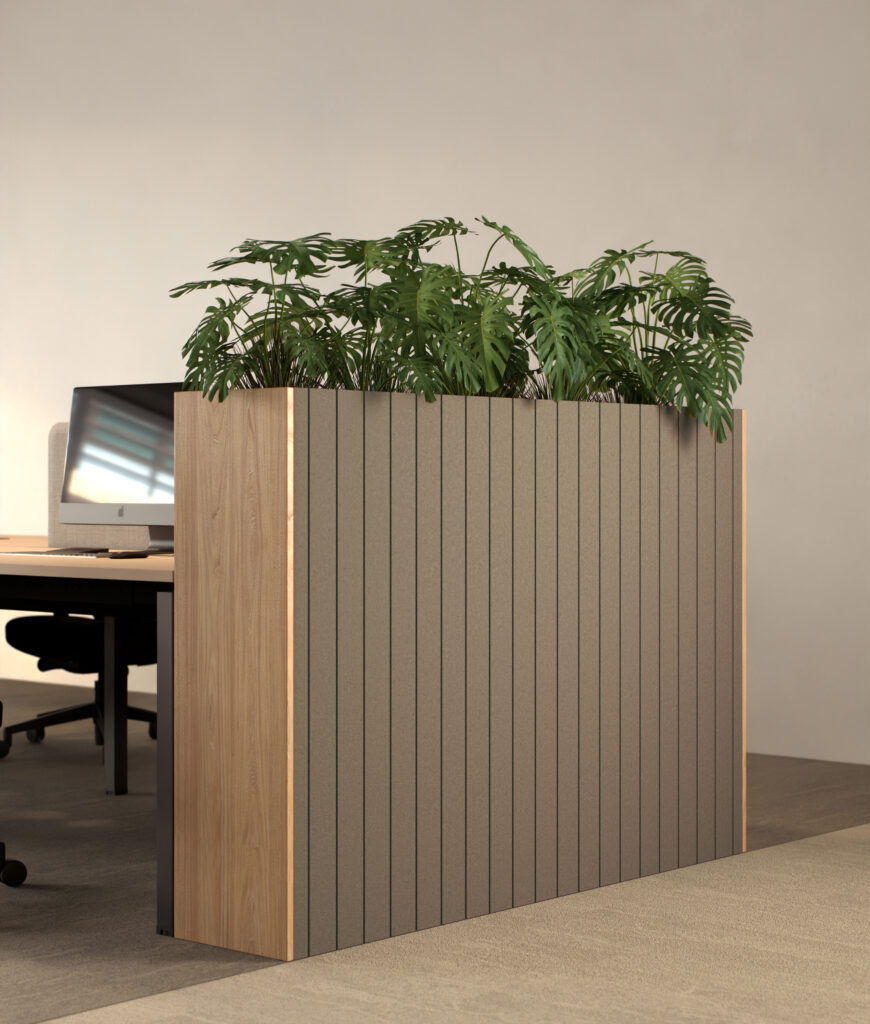
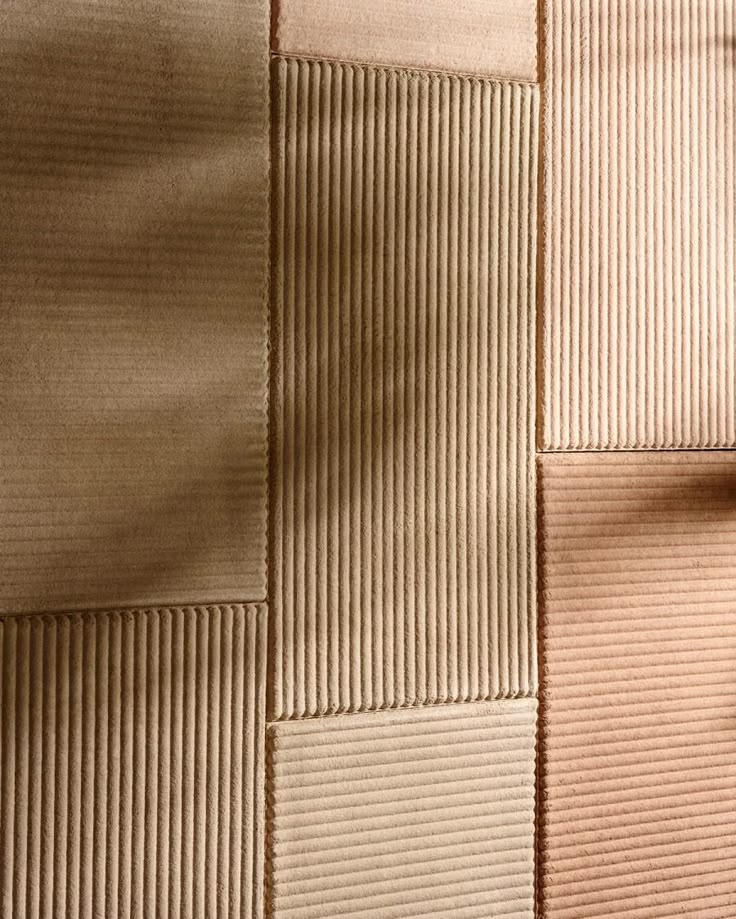
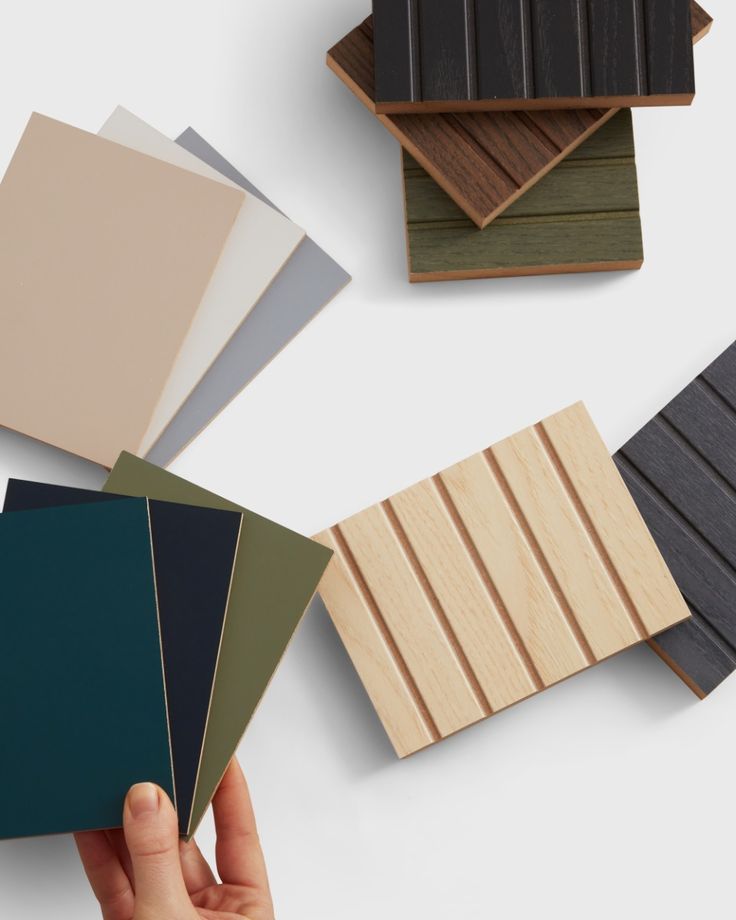
That’s where acoustic felt panels come in. These soft, sound absorbing materials can reduce echo and absorb distracting frequencies. In practice, they create quiet pockets where people can think without interruption. Materials like felt, PET felt or fabric wrapped boards can make a noticeable difference to how much noise carries across a room [2].
How to use them well: Apply panels to high reflection surfaces such as ceilings, large bare walls and break out areas. Even freestanding acoustic screens or furniture integrated felt help. The smoother and more continuous the felt surface, the more effective the noise dampening.
2. Matte Finishes
Glare from shiny surfaces may feel like a minor irritation, but it chips away at focus more than we realise. UK acoustic design guidelines emphasise control of reflective light and visual clutter as key to reducing eye strain and visual fatigue [3].
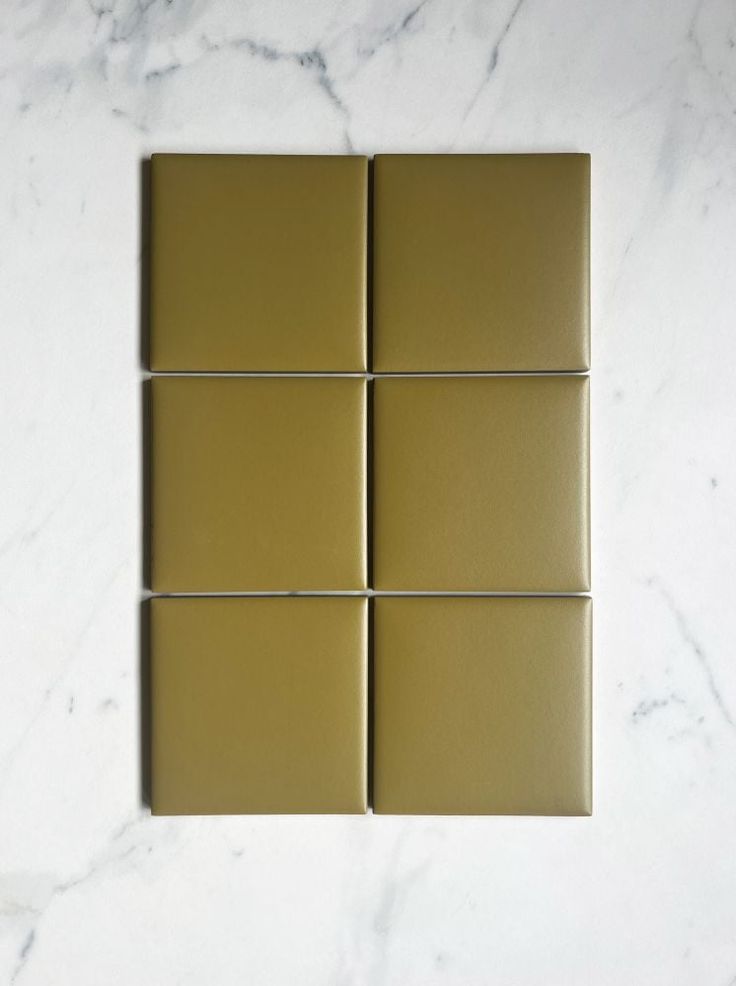
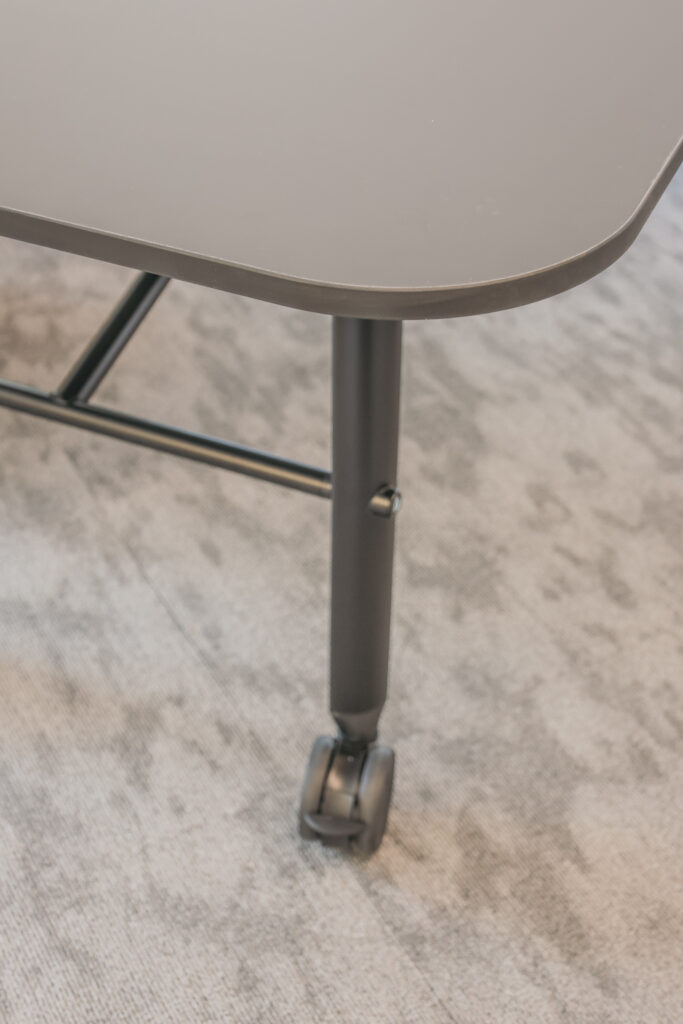
Using matte or low gloss surfaces on desks, screens, partitions and flooring helps diffuse harsh light. The result is less visual distraction, less squinting, less rubbing your eyes or shifting positions. In turn, that means longer periods of sustained focus.


3. Natural Wood
Biophilic design is more than a buzzword. It is a movement backed by data. A report by Knight Frank notes that incorporating natural elements such as wood, earthy tones and daylight is not just about aesthetics, it is about reconnecting people with nature to reduce stress and boost productivity [4].
A striking UK example is the Black & White Building in Shoreditch, made largely from mass timber including oak, ash, spruce and beech. Architects involved emphasise not only the environmental and carbon benefits, but also how the tactile wood surfaces, textures and visual warmth reduce stress and support clearer thinking [5].
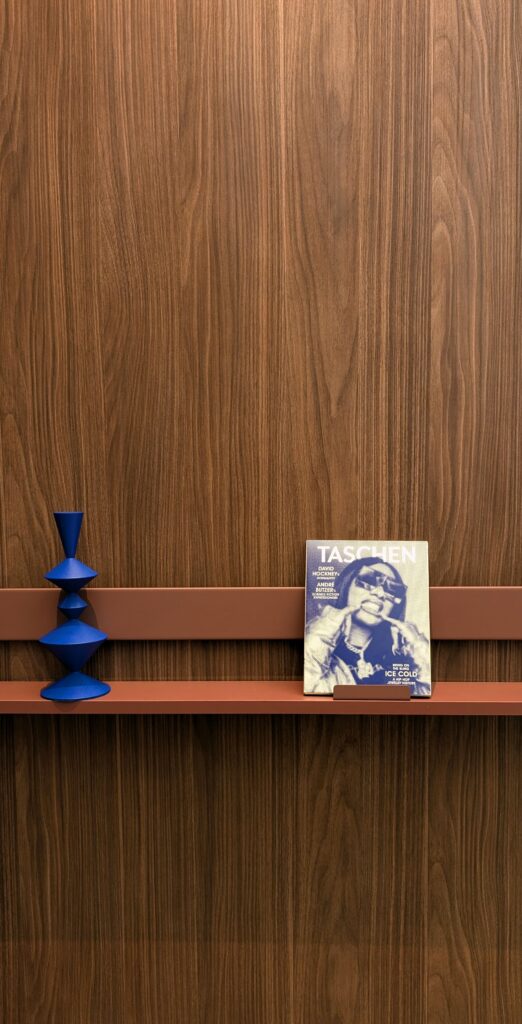
Pro tips: Use real wood, or quality engineered wood, on focal points such as joinery and panelling. If cost or sustainability demand alternatives, look for responsibly sourced timber or wood finishes with low or no VOCs. Even wood veneers with visible grain can help.


4. Plant Based Textiles
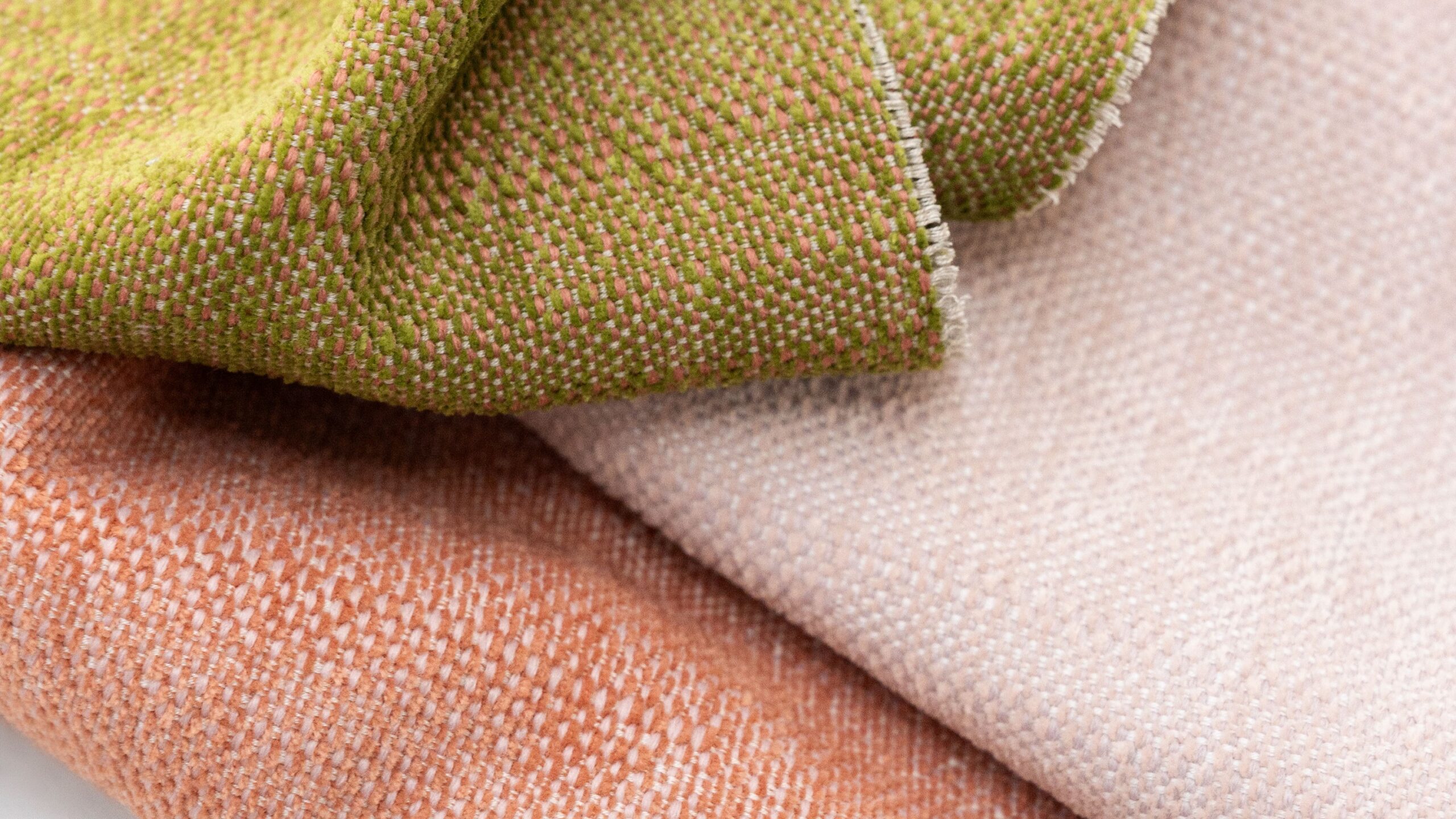
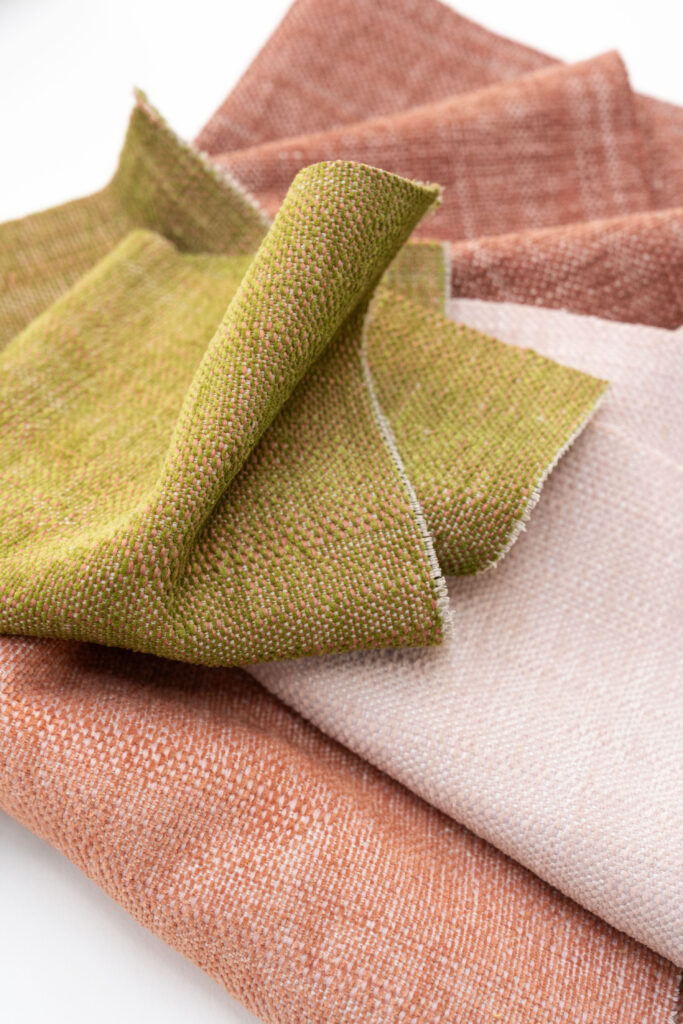
Fabrics such as wool, hemp or linen do more than look good. They bring texture, dampen sound slightly and often have better environmental credentials. Plant based textiles tend to emit fewer volatile organic compounds (VOCs), which helps improve air quality. This feature is increasingly emphasised in UK WELL building standards and similar workplace health frameworks.
Research in biophilic design shows that workplaces with natural materials, indoor plants and better air quality report significantly higher wellbeing, creativity and productivity. The Human Spaces global study found that workers in greener, more naturally finished offices scored higher on focus, mood and overall job satisfaction [6].
What Research Tells Us
- According to Sharp UK, nearly two thirds of UK office workers say noisy or echo filled workplaces negatively impact their ability to work accurately or on schedule [2].
- A systematic review published recently found strong evidence that nature elements such as real plants, natural textures and views of green space help reduce stress and improve attention [7].
- In the Human Spaces report, even simple changes including more natural light, greenery and planting were linked with a 6-8% uplift in productivity [6].
Sources
- Koru Acoustics – Benefits of Acoustic Panels
- Sharp UK – How Do Office Acoustic Panels Work?
- Ultimate Group – Acoustic Design in Office Interiors
- Knight Frank – Biophilic Office Design
- The Guardian – The Black & White Building, London
- Human Spaces Report – Global Impact of Biophilic Design
- PMC – Systematic Review on Nature and Stress Reduction