The Hotelization of Workplace Environments: Transforming Offices into Hospitality Havens
In an era where the boundaries between work and life are becoming increasingly blurred, companies are exploring innovative ways to create inspiring and engaging office environments. One emerging trend that has gained significant traction is the “Hotelization of Workplace Environments.” By drawing inspiration from the hospitality industry, this approach aims to transform traditional offices into vibrant, flexible spaces that enhance productivity and well-being. Let’s delve deeper into what this trend entails and how it can be incorporated to revitalize the modern workplace.
The Concept of Hotelization
The concept of hotelization refers to adopting hotel-like features and services within an office setting. It involves creating a work environment that resembles a high-end hotel, with a focus on comfort, convenience, and employee satisfaction. This trend aims to reshape workplaces into inviting, multipurpose spaces that foster collaboration, creativity, and employee well-being.
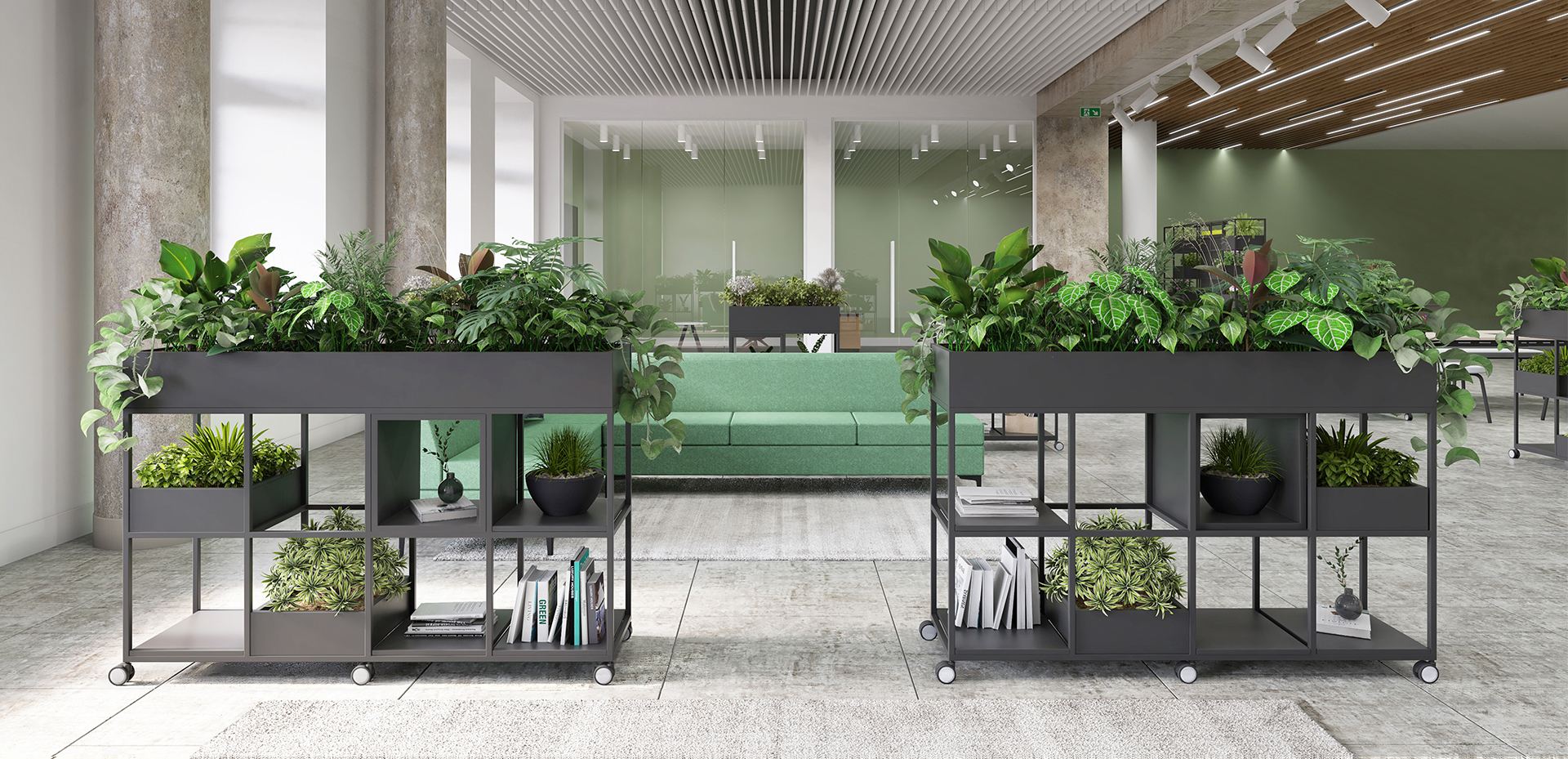
To understand the concept, simply consider the amenities that most hotels contain. For instance, a spacious and inviting lobby filled with comfortable furniture provides ample opportunities for relaxation. By incorporating plush sofas, coffee tables, sophisticated decor, and elegant flooring, the office can be transformed into a refined setting that creates a desirable “destination office.”
Other than the space, there are many other additional amenities offered by hotels. They typically feature fitness facilities, perhaps a salon, and spaces equipped with functional kitchens and dining areas. Introducing these features to an office environment brings numerous benefits, primarily saving employees time and money. Employees who can conveniently access an on-site gym before or after work can reclaim valuable time in their day. Having a kitchen provides the opportunity to prepare a quick meal and avoid the expense of dining out. Other amenities, such as dry-cleaning services and hair care options offer similar advantages. The cost savings and convenience offered by these facilities can significantly contribute to attracting new employees and retaining current ones. These amenities may appeal to employers who rely on a talented workforce, further enhancing the desirability of the office space.
Key Elements of Hotelization in Offices
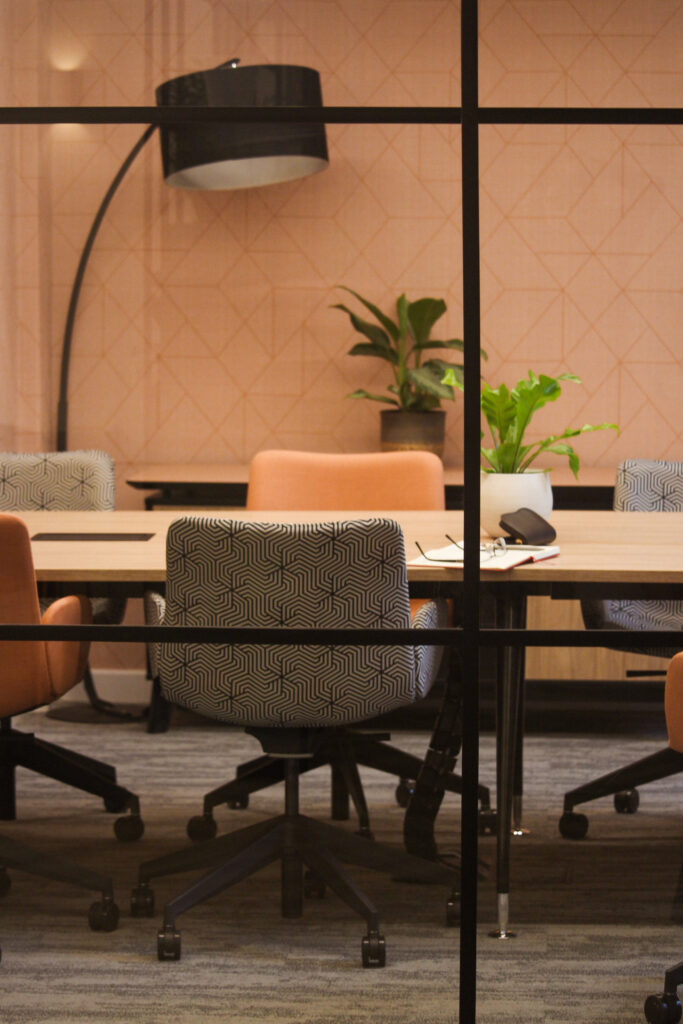
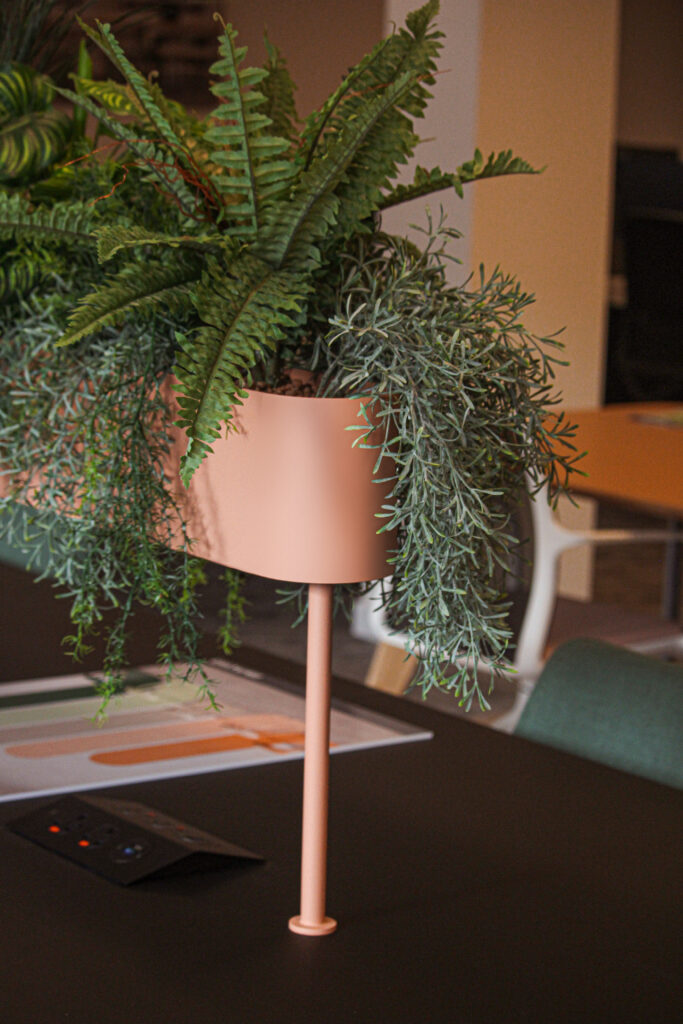
1. Thoughtful Design: Just like hotels, office spaces embracing hotelization prioritize aesthetically pleasing and comfortable design. These spaces incorporate a blend of open workstations, cozy lounge or breakout areas, versatile meeting areas, and vibrant communal spaces, creating a harmonious balance between functionality and ambiance.
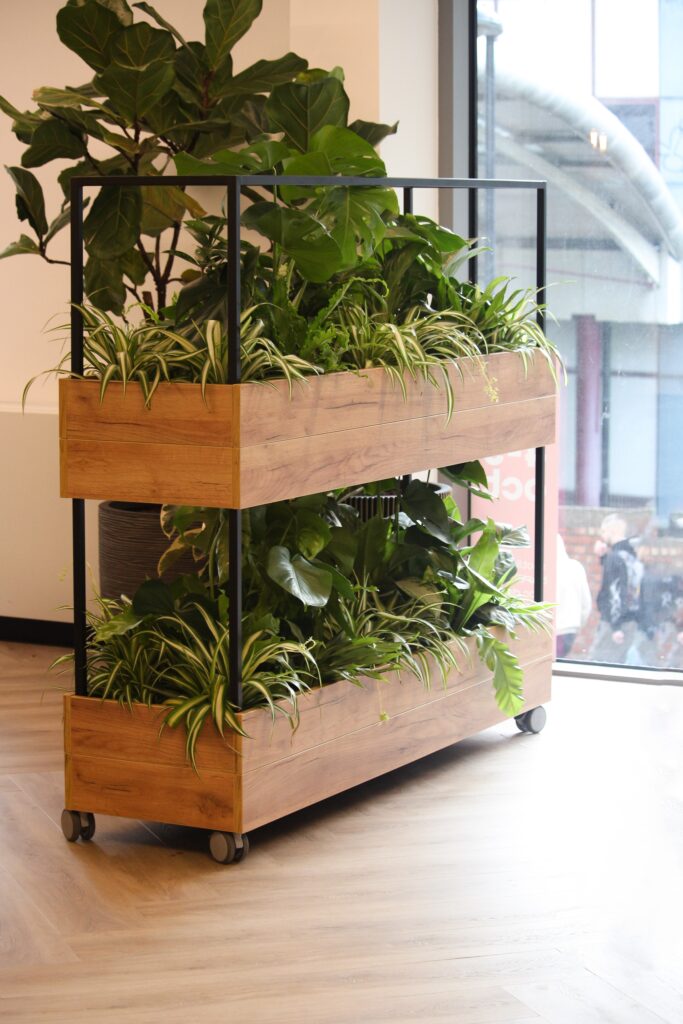
2. Flexible Spaces: The hotelization trend recognizes the need for flexibility in the workplace. Incorporating movable partitions, modular furniture, and adaptable layouts allows for seamless transformations of spaces to suit various activities and team sizes. This flexibility empowers employees to choose the environment that best supports their work requirements, fostering productivity and creativity.
3. Amenities and Services: To replicate the hospitality experience, offices embracing hotelization provide a range of amenities and services to cater to employees’ needs. This includes on-site cafeterias, coffee bars, fitness centres, relaxation or meditation zones, and even concierge services. Such offerings aim to enhance employee satisfaction, reduce stress, and promote a healthy work-life balance.
4. Technology Integration: Cutting-edge technology is a crucial aspect of the hotelization trend. Offices leverage advanced digital systems to create seamless and intuitive experiences. This includes smart meeting rooms, integrated communication tools, automated access controls, and personalized workplace apps. These technologies streamline operations, boost efficiency, and enhance employee engagement.
Incorporating Hotelization into the Workplace
To successfully incorporate the hotelization trend, organizations can consider the following steps:
1. Employee-Centric Approach: Begin by understanding employees’ needs and preferences through surveys and feedback sessions. Incorporate their input into the design and amenities selection process to ensure the workspace aligns with their requirements.
2. Versatile Spaces: Create a variety of work areas that cater to different work styles and activities. Encourage collaboration through communal spaces, while also providing quieter zones for focused work. Flexibility should be a guiding principle when designing and outfitting these spaces.
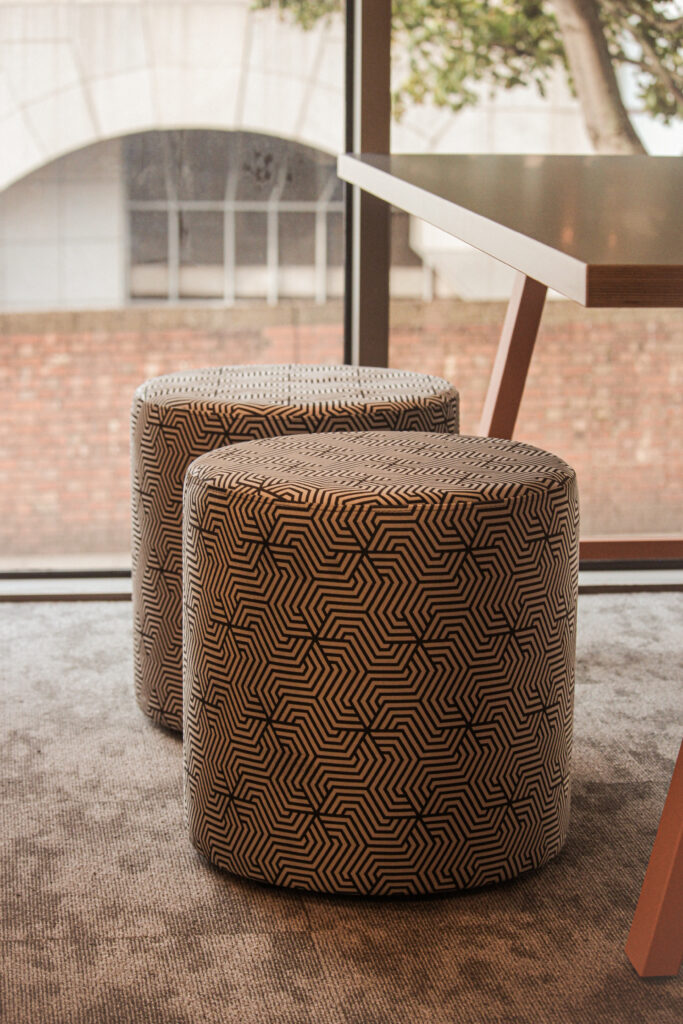
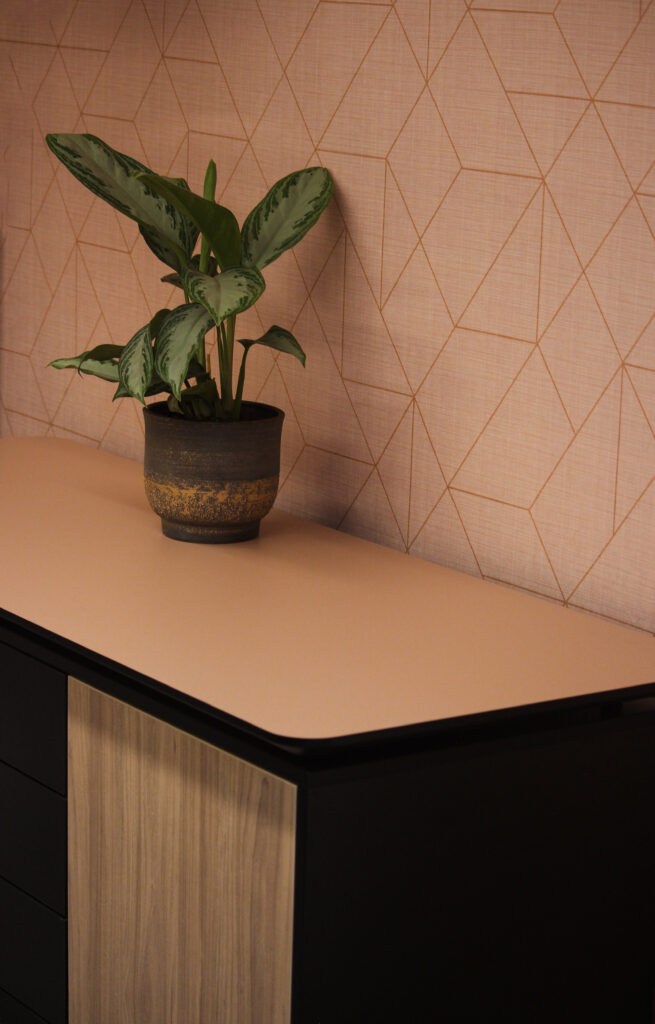
3. Thoughtful Design: Invest in aesthetically pleasing and comfortable furniture, fixtures, and lighting. Integrate biophilic elements, such as plants and natural light, to promote well-being and reduce stress. Thoughtful design choices can significantly impact employees’ mood, motivation, and productivity.
4. Technology Integration: Embrace technology to streamline operations, facilitate communication, and provide a seamless work experience. Implement smart tools and applications that enhance productivity, foster collaboration, and simplify daily tasks.
The hotelization of workplace environments represents a shift in how we perceive and design office spaces. By blurring the lines between work and hospitality, organizations acknowledge the importance of creating environments that nurture their employees’ well-being, creativity, and productivity. This movement not only enhances employee satisfaction and engagement but also aids in attracting and retaining top talent. As companies strive to adapt to the changing needs of the modern workforce, the hotelization of workplaces emerges as a powerful strategy to foster a positive and inclusive work culture.
As the concept of work continues to evolve, the hotelization of workplace environments stands out as a transformative trend that reimagines the traditional office space. By embracing the principles of comfort, flexibility, and employee-centric design, companies can create inspiring environments that boost productivity, foster collaboration, and enhance overall employee well-being. The future of work lies in the fusion of work and hospitality, leading to dynamic and engaging workplaces that set the stage for success in the modern era.