
News

Can Colour Choices Impact Sustainability?
When we think about sustainability, colour isn’t usually part of the conversation. We tend to focus on materials, carbon footprints and energy use. But as colour specialist Justine Fox highlights in her article for the latest edition of Mix Interiors magazine, colour can have just as much influence on how sustainable our buildings and cities really are.
It’s a realisation that led her to move away from forecasting trends and towards exploring how colour can actively create social value and positive change in the built environment.
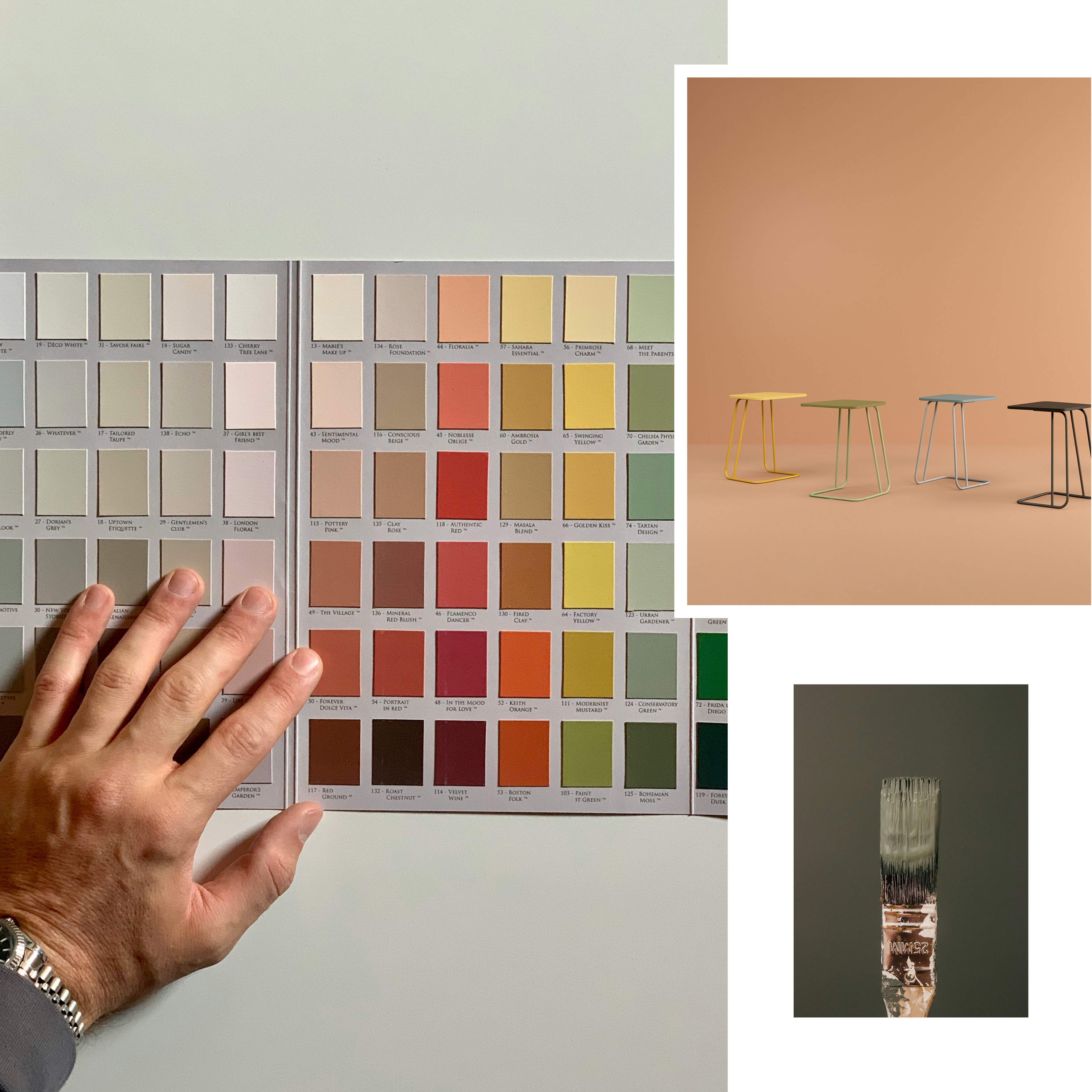
Finding the balance between light and comfort
Bright, white spaces often look clean and uplifting – until you realise they can also cause discomfort. Fox recalls a project where office staff started suffering migraines after moving into a new, naturally lit extension. The tall ceilings, daylight and white walls combined to create glare that couldn’t be fixed with lighting or screens.
Designing with light reflectance values (LRV) in mind helps avoid this. The aim is to absorb enough light to reduce glare without making a space feel dull or heavy.
On the flip side, darker paint colours usually need more coats for a smooth finish. That means more paint, more labour and, potentially, more energy use if the space requires brighter lighting. As Fox notes, both extremes come with their own sustainability challenges.
Colour as more than a visual choice
Colour isn’t just something we see – it’s the result of how light and energy interact with a surface. That interaction has real-world consequences. As Fox explains, colour is a sensation in our minds caused by the reflection of energy from a surface. When you think of it like that, it’s easy to see how it links to issues such as heat retention, energy conservation, biodiversity and even social wellbeing.
Take heat management, for example. Darker surfaces absorb warmth, while lighter colours reflect it. Fox points to innovations like Akzo Nobel’s new ‘sunscreen’ coating, which can cool buildings by up to ten per cent. But she also reminds us that even simple colour choices in public spaces can influence surface temperatures.
A small change in tone or reflectance value can make a surprisingly big difference to comfort levels and energy performance.
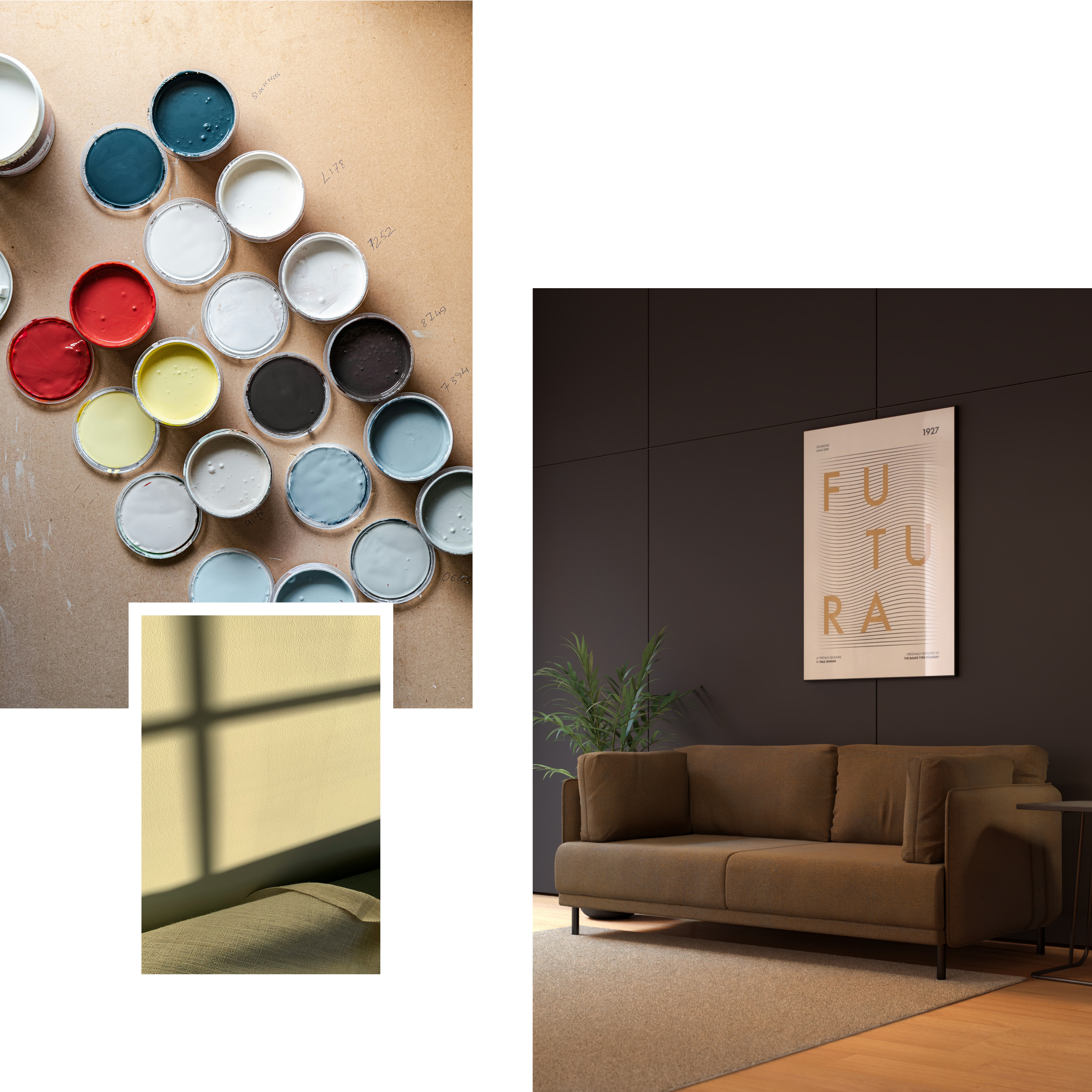
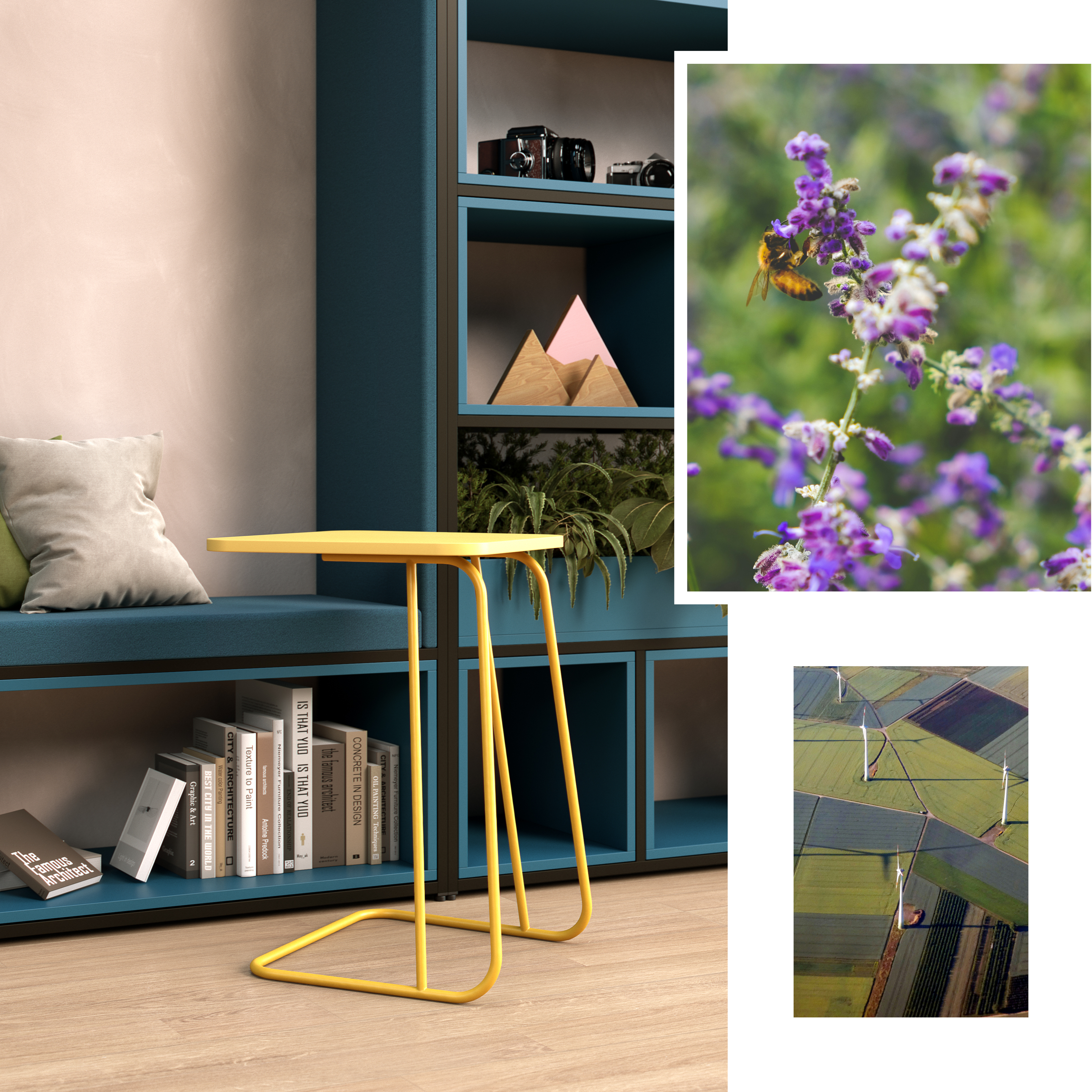
Designing with nature and longevity in mind
Colour also has the power to connect people with nature. Fox references research showing that some flowering plants are even adapting their colours from red to yellow to attract new pollinators such as bumblebees. It’s a small but fascinating reminder of how colour plays a role in biodiversity.
By designing with that awareness, we can create places that not only look good but also support life and wellbeing. Colour might seem like a small detail, but it plays a big part in creating spaces that are healthier, more sustainable and designed to last. And often, it’s the most subtle design choices that make the biggest difference.
Magazine article referenced: Mix Interiors Edition 240, pages 85-89: https://www.mixinteriors.com/issues/mix-interiors-magazine-240/.