News

Why Organic Forms Are Dominating Interior Spaces
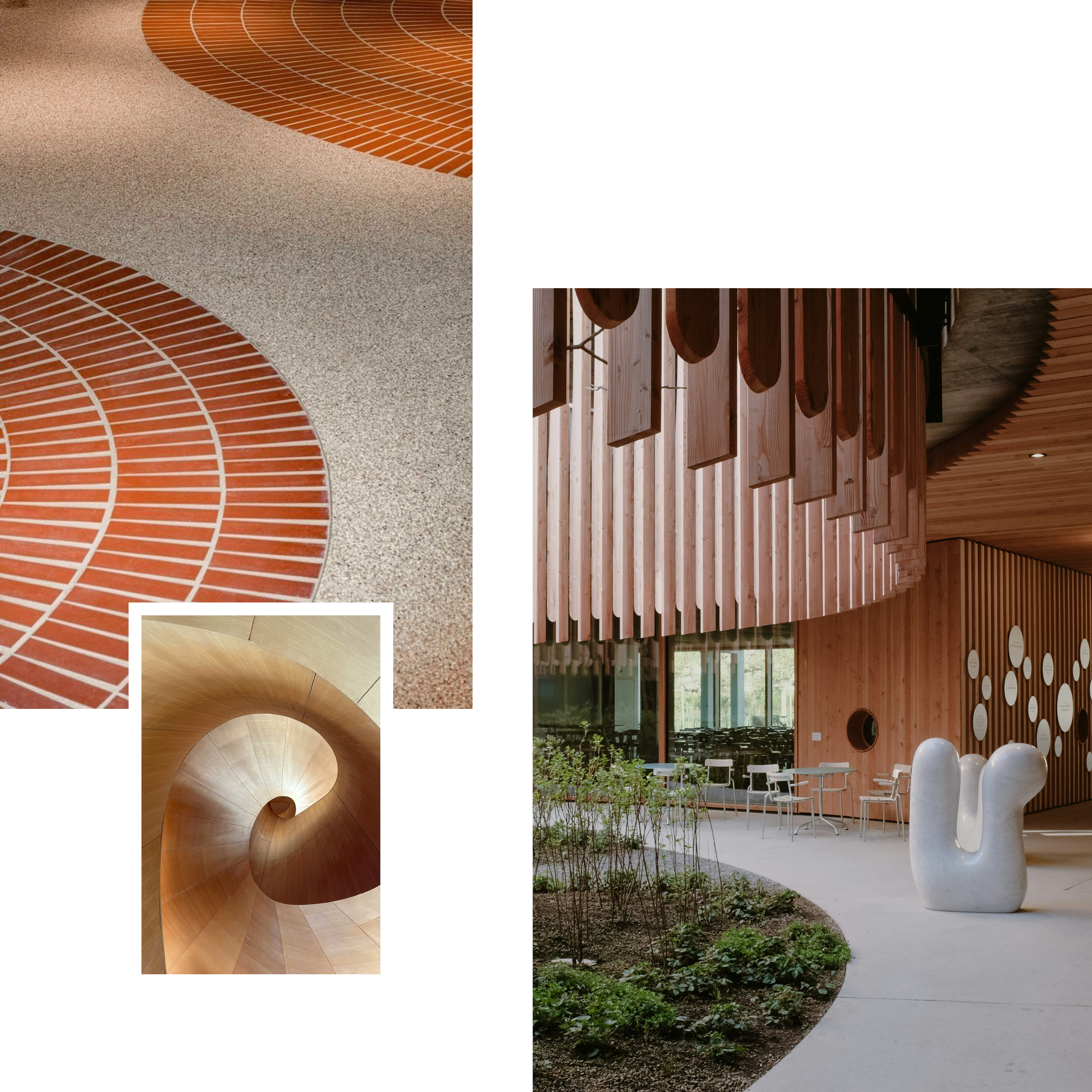
There’s a quiet shift happening in the world of interior design. Step into almost any new space, from boutique hotels to breakout zones in modern workplaces, and you’ll notice it. Fewer harsh angles. More curves. Edges that soften rather than divide. Furniture that flows rather than shouts.
Organic forms are everywhere right now. And it’s not just a passing aesthetic trend. It’s part of a broader return to nature, comfort and emotional connection in the spaces we spend our time in.
So why exactly are designers leaning into the natural curve?
The End of Hyper-Clinical
For years, especially in commercial interiors, there was a preference for clean lines, straight angles and box-shaped furniture. It was practical, sharp and efficient. But it didn’t always feel welcoming.
Today, as the boundaries between work, life and leisure shift, people expect more from the spaces they inhabit. They want comfort and softness. They want spaces that feel human. Organic forms help create that. They introduce warmth without relying solely on colour or texture.
We’re Wired for Softness
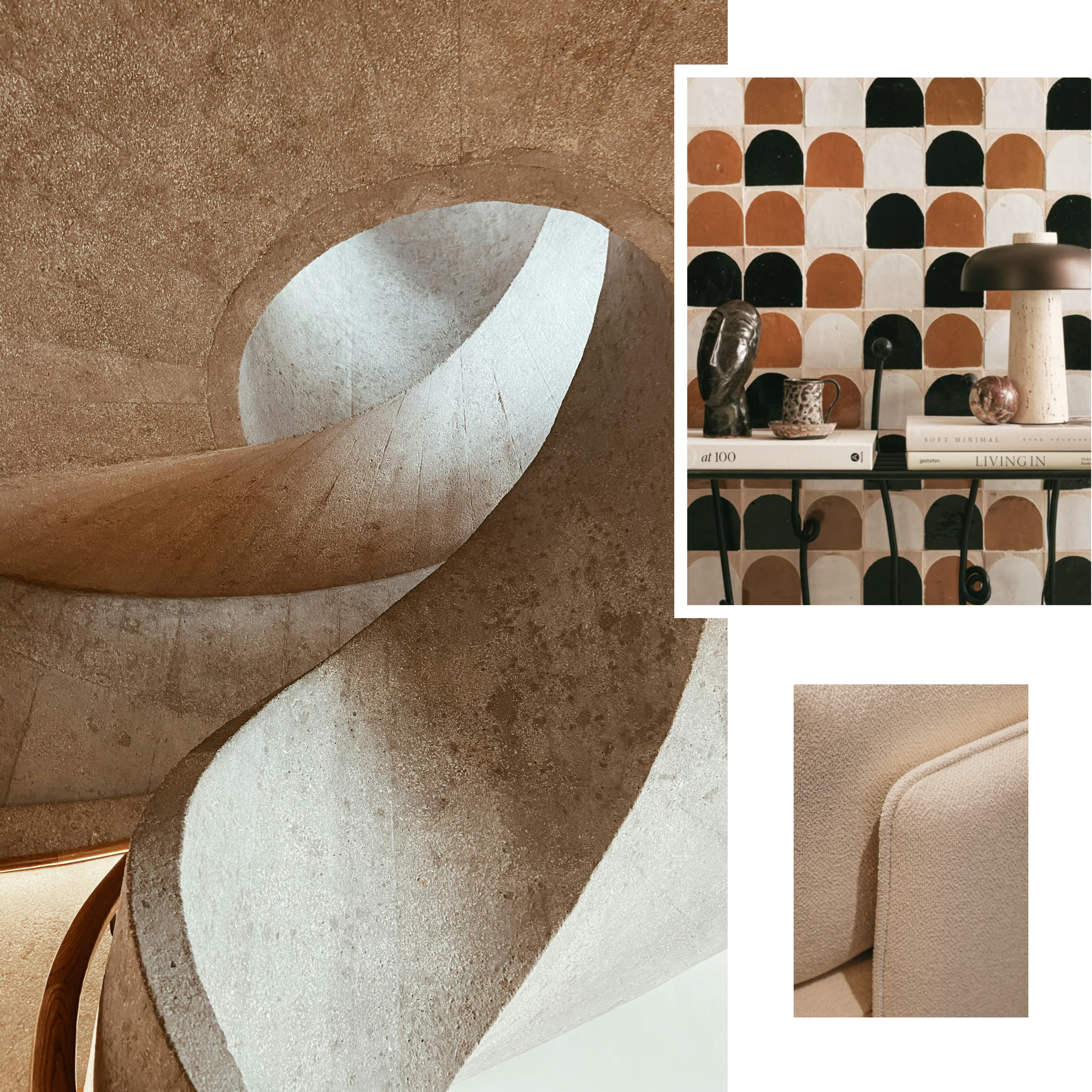
Human beings are naturally drawn to organic shapes. They’re familiar. They feel safe. Think of the curve of a riverbank, the rounded edge of a pebble, or the way trees move without symmetry. These forms are deeply embedded in our sensory memory. When we encounter them in interiors (a gently curved armrest, a soft oval table, a sweeping wall detail) our nervous system naturally relaxes.
This connection to nature is part of what’s known as biophilic design. It’s not just about adding plants. It’s about mimicking the patterns and forms we find in the natural world to create spaces that support our wellbeing.
Materials that Echo Nature
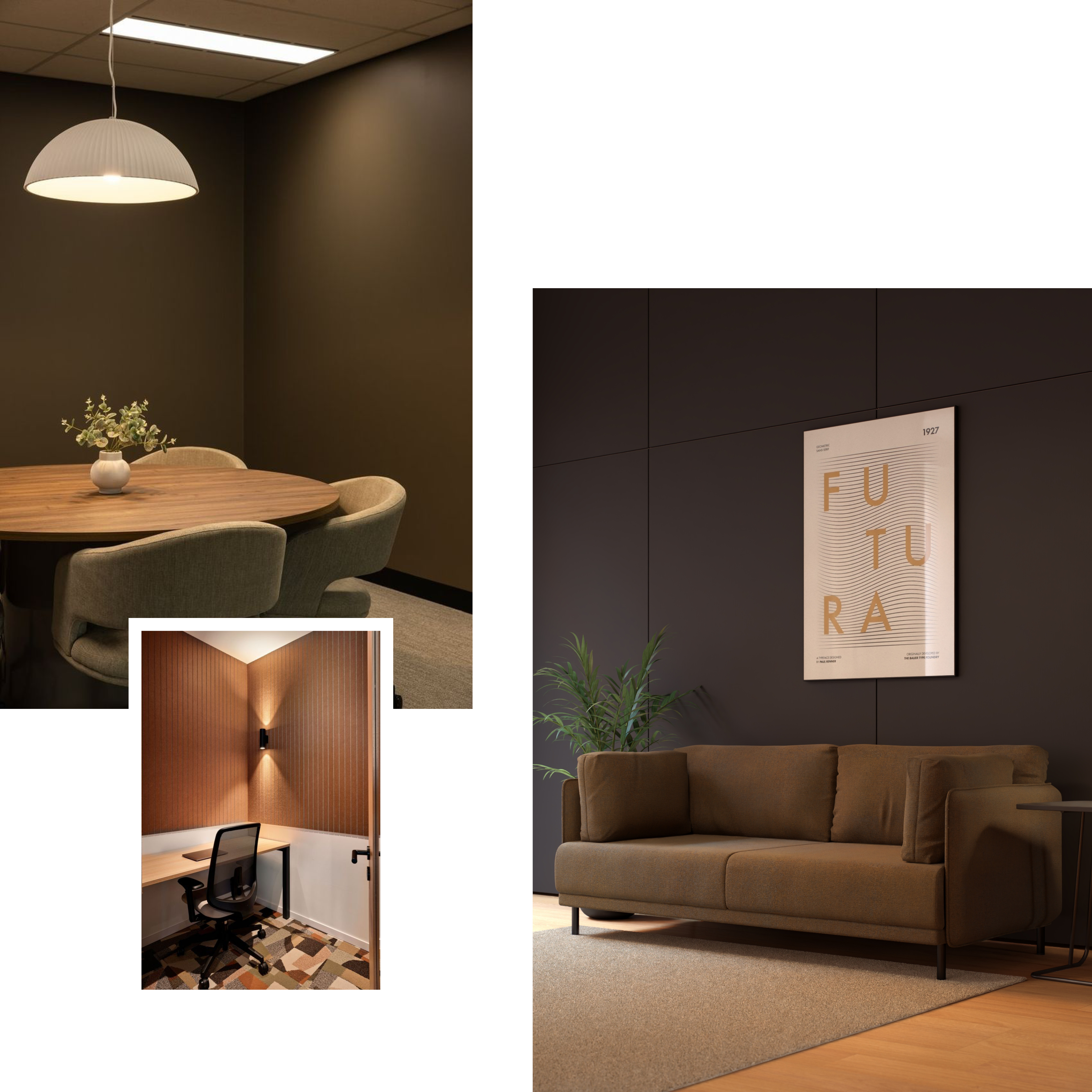
What we’re seeing isn’t just a change in shape. It’s often paired with natural finishes. Think tactile timbers, stone-inspired surfaces, wool upholstery and soft-matte coatings. These materials, when combined with flowing lines, create a multisensory experience that feels grounded and nourishing.
This layered, more emotional approach to specification is becoming a priority for architects and designers who want to build deeper connections between people and place.
Movement, Flow and Flexibility
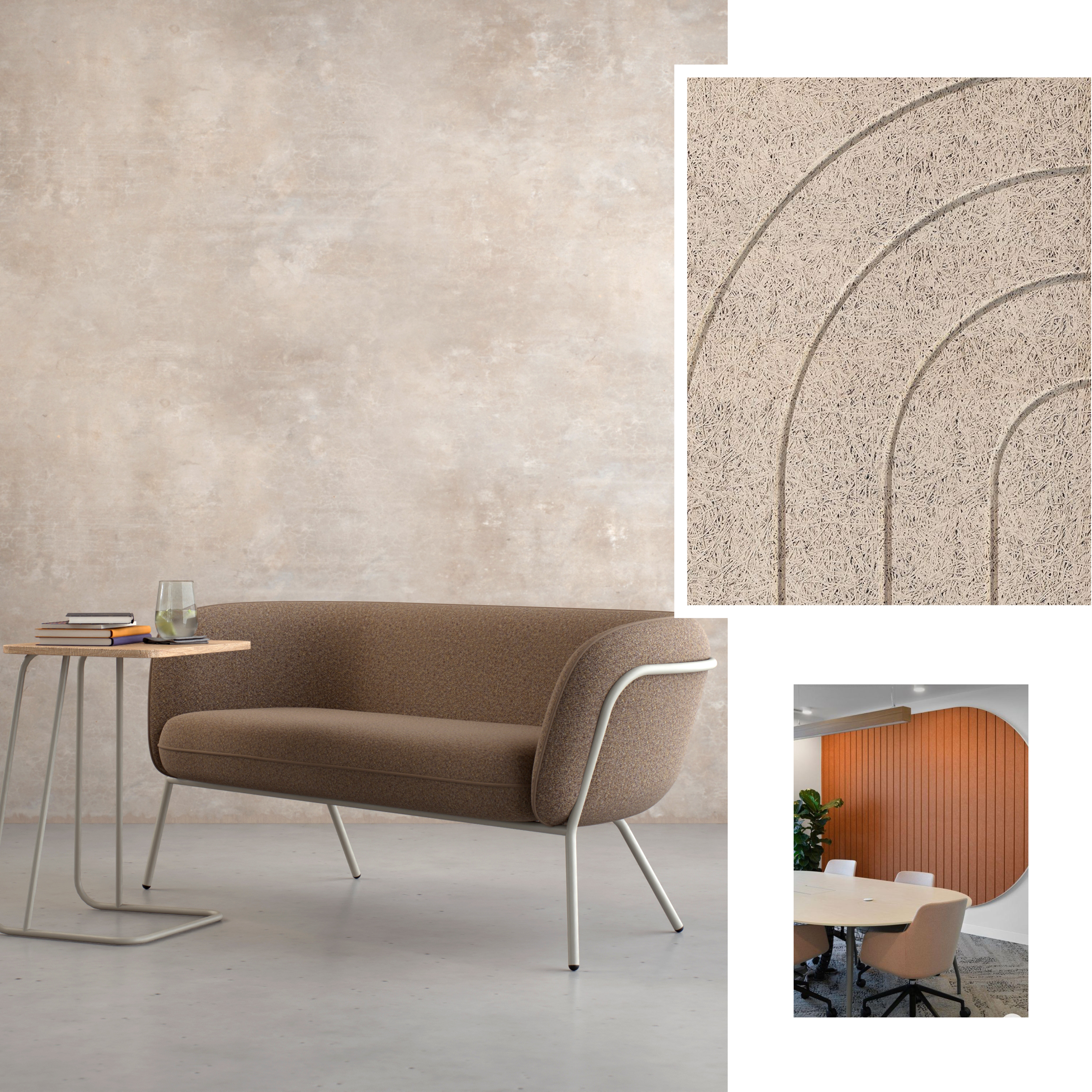
Curved furniture also plays beautifully into the way modern spaces are used. It invites movement. It creates a sense of flow between zones. It removes visual barriers.
In breakout areas, organic forms can help people feel more at ease, encouraging conversation and connection. In focused zones, they reduce visual noise and create calm. Even something as simple as a rounded tabletop changes the dynamic. It’s more inclusive, less formal, and easier to gather around.