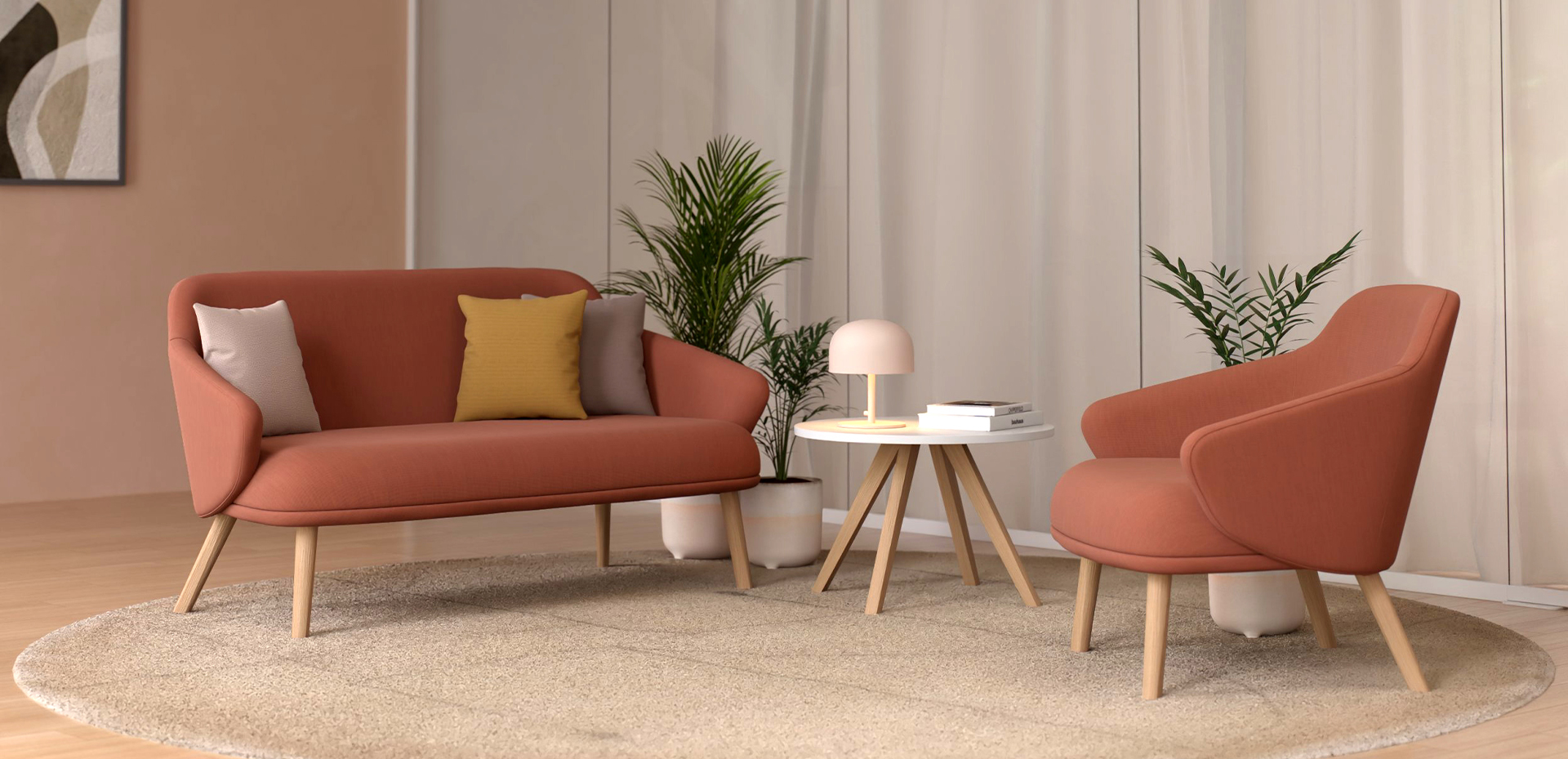
Step into a workspace that makes you feel something – not just functional but alive, inspiring, calming, energising. That’s the magic of sensory design, and at Moventi, it’s at the core of everything we champion.
But when we say sensory design, we’re diving deep into the world of human senses – sight, sound, touch, even smell and taste, and how they come together to create environments that don’t just accommodate work but elevate it.
It’s a delicate dance of art and science, intuition and research. We draw inspiration from neuroscience, hospitality design, wellness trends, and even what’s going on in your favourite coffee shops. This isn’t about decoration; it’s about transformation.
Let’s explore how sensory design is reshaping workplace interiors for 2025 and beyond.
1. The Visuals
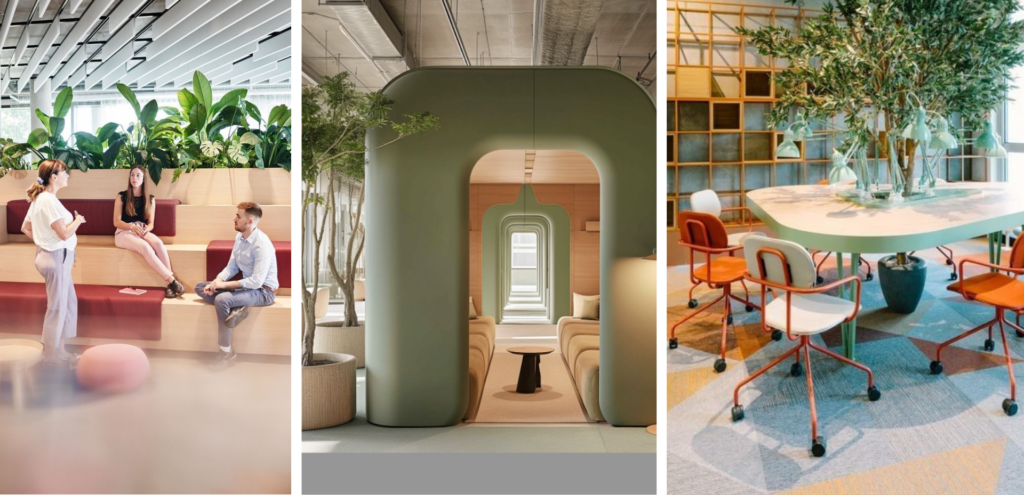
The way a space looks is about more than aesthetics; it’s about atmosphere. Soft, natural lighting that mimics daylight boosts mood and productivity, while carefully chosen colour palettes can energise or calm depending on the task at hand.
In 2025, expect to see an explosion of biophilic elements – think nature-inspired wall murals, calming greens, and earthy tones – and dynamic features like gradient lighting that shifts throughout the day. It’s about making workspaces visually intuitive and emotionally resonant.
2. The Sound of Silence (or not)
Ever tried to focus with a colleague on a loud phone call nearby? Sound matters. Open offices have their perks, but without the right acoustic solutions, they can become a cacophony of distractions.
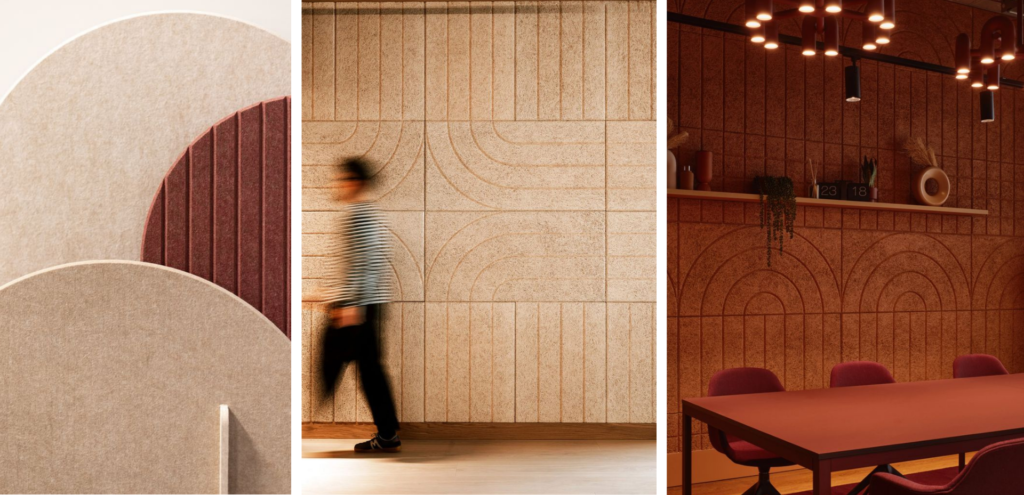
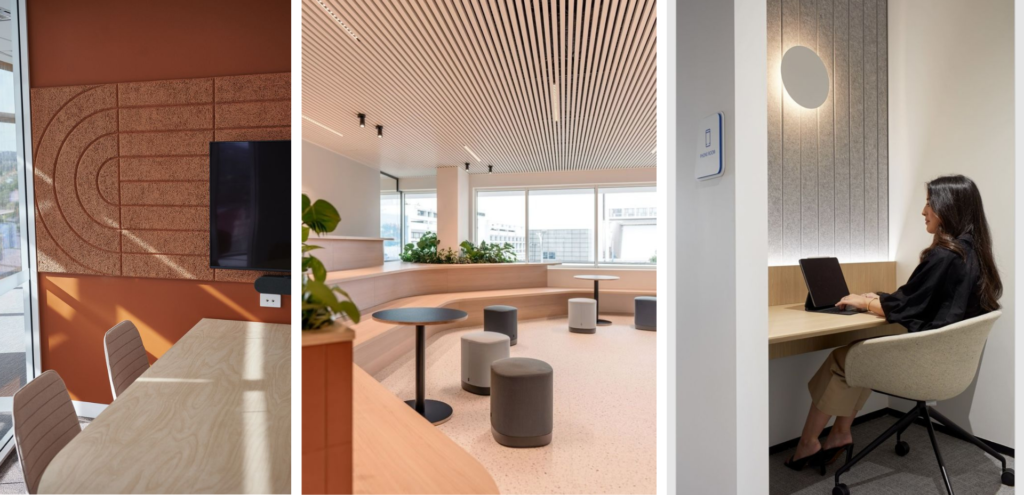
From sound-absorbing panels in stylish finishes to white noise systems and private pods, 2025 is all about tailoring acoustic environments. Quiet zones for deep focus, lively areas for collaboration; each designed with precision to match their purpose.
3. Feeling the way
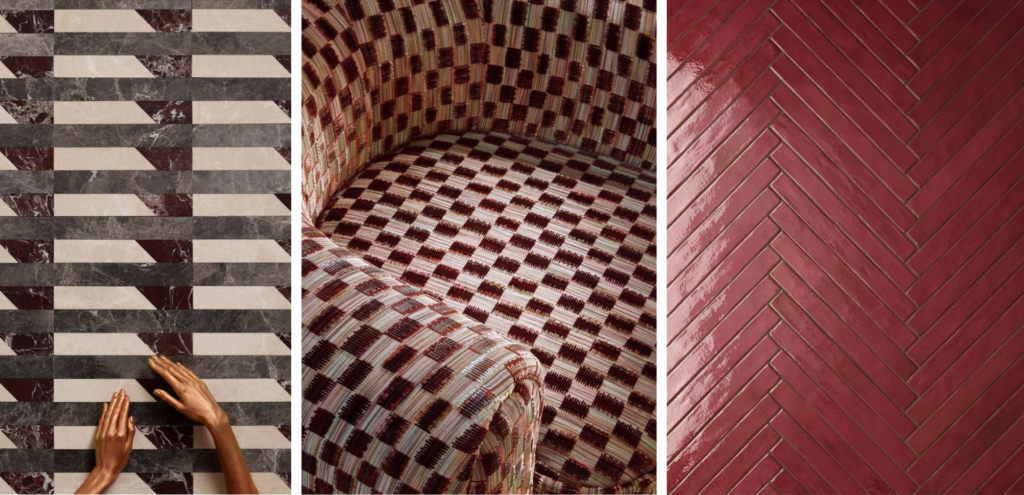
Textures speak volumes. Cool, smooth surfaces for focus zones. Warm, soft textures for relaxation spaces. It’s about creating a tactile balance that subconsciously tells your brain what kind of work to do. Picture this: boucle clad seating in breakout zones, smooth desks that ground your focus, and modular carpets that change textures to subtly guide foot traffic. Sensory design lets touch lead the way to better spaces.
4. It’s making scents
Scent is the dark horse of sensory design; subtle but powerful. The right fragrance can energise, relax, or even boost creativity.
In 2025, we’ll see workplaces subtly infused with scents tailored to the task. Citrus and peppermint for alertness in meeting rooms. Lavender and eucalyptus in wellness spaces. No overpowering sprays, just subtle hints that enhance the mood without you even realising.
5. Taste the difference
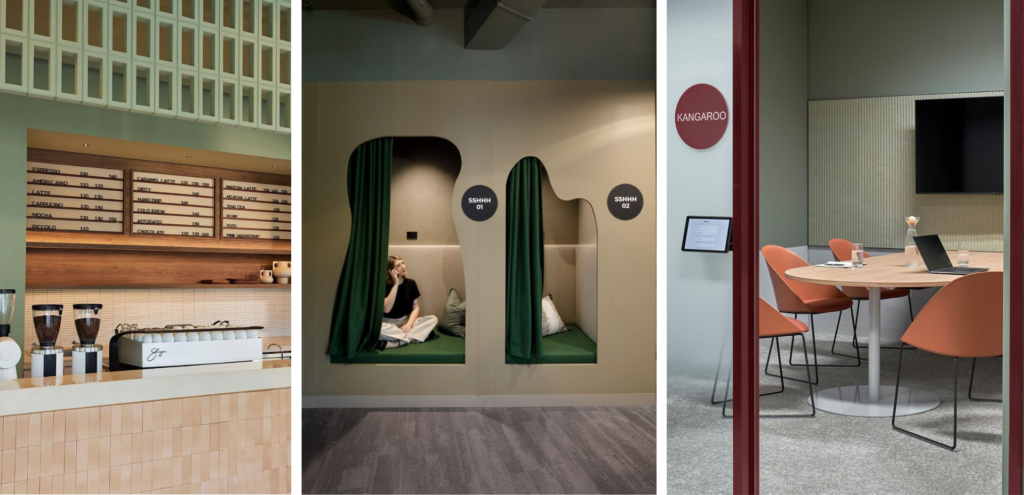
Workplaces are becoming lifestyle hubs, and that includes what’s on the menu. Breakout areas are being transformed into café-style spaces that don’t just cater to eating but celebrate it.
Expect thoughtfully curated tea and coffee bars, spaces for mindful eating, and even design elements that nod to flavour – like warm, caramel-toned furnishings in snack areas or cool blues in hydration stations. It’s all about creating a multisensory pause that recharges the soul.
Sensory design isn’t just a nice-to-have; it’s a must-have for workplaces that prioritise people. It’s about creating environments where every sense is engaged in harmony, spaces that make you want to stay, create, and thrive.
At Moventi, we’re bringing sensory design into the spotlight, because when a space feels right, everything else falls into place.