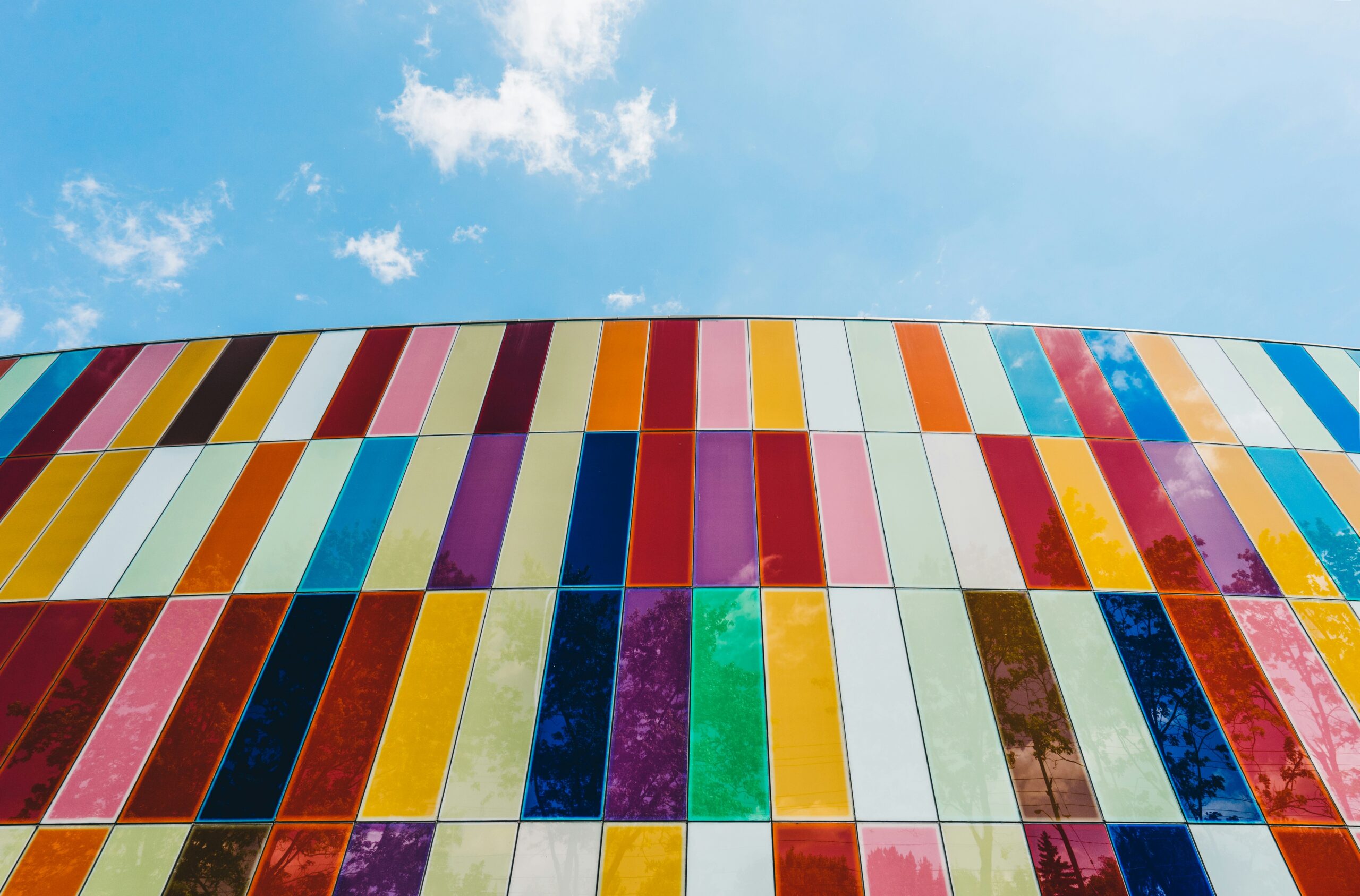
The Effect of Colour: Unveiling the Power of Design in Human Wellbeing
The allure of colour has always been an integral part of the human experience, influencing our emotions, thoughts, and behaviours. This profound connection between colour and the human psyche can be traced back through our history, where the ability to discern and interpret colours played a crucial role in survival. From locating food and water to aiding in wayfinding, the deep appeal of colour has evolved as a fundamental aspect of our adaptive response to the natural world.
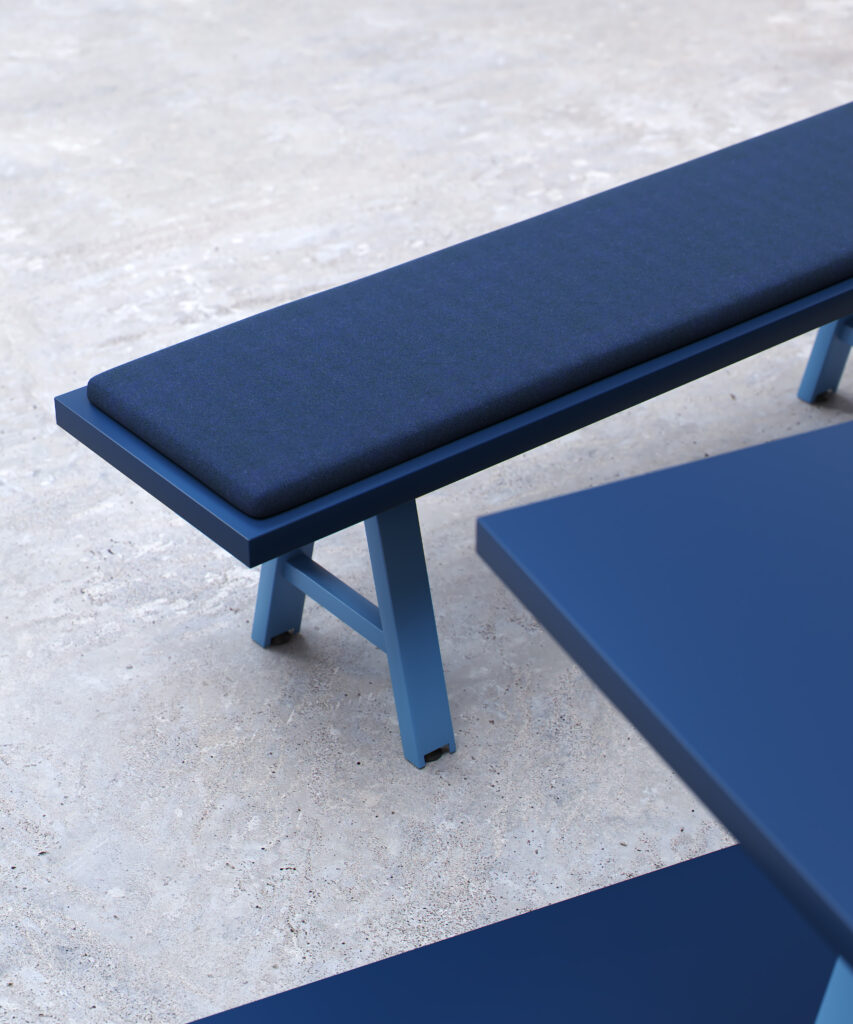
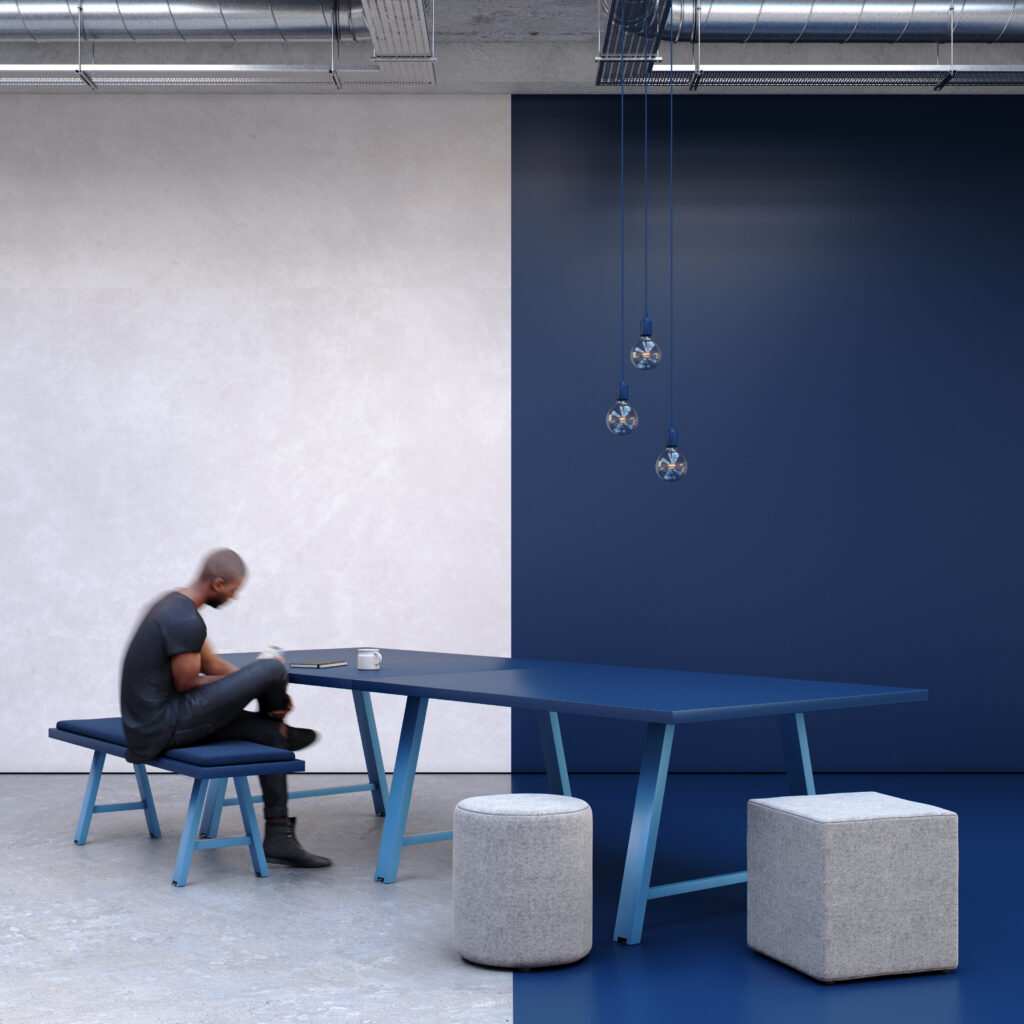
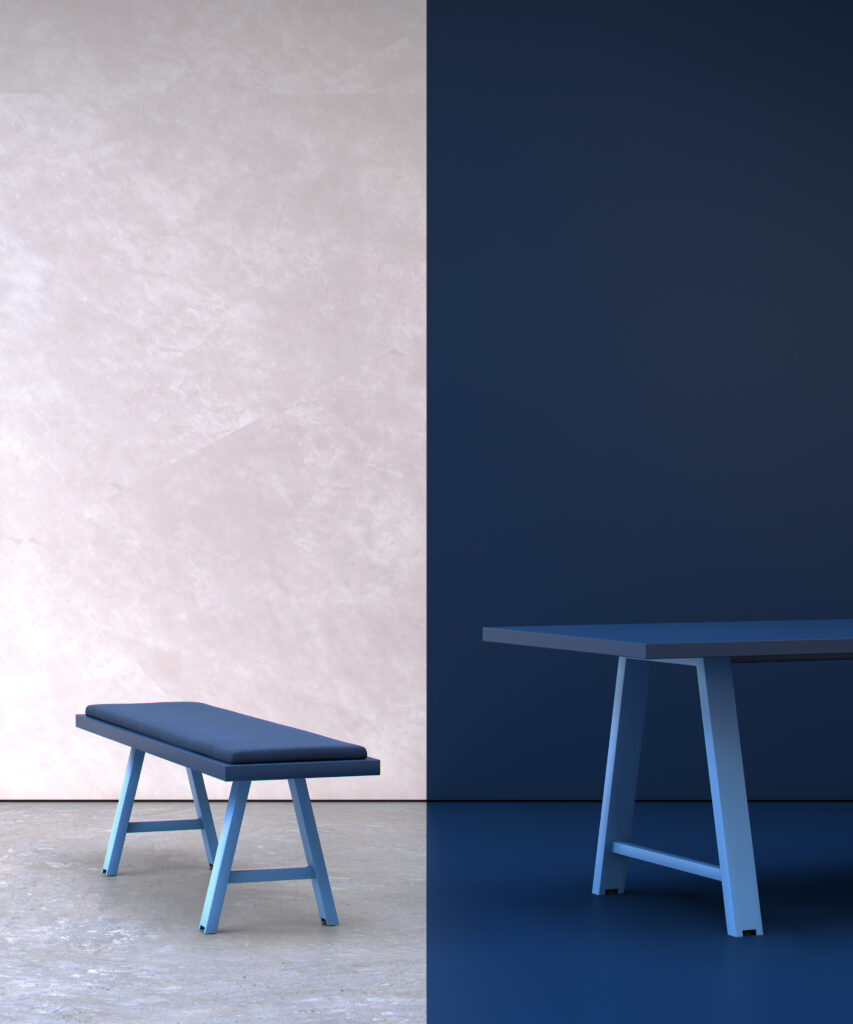
Cultural Meanings and Universal Responses:
While cultural interpretations of colour may vary significantly, there is substantial evidence supporting the idea that certain colours evoke universal physiological and psychological responses. These responses range from enhanced creativity and better cognitive focus to a calming effect on individuals. The colours associated with healthy natural landscapes, reminiscent of savannah settings, have a particularly profound impact on human well-being.
Evolutionary Psychology and Colour Preferences:
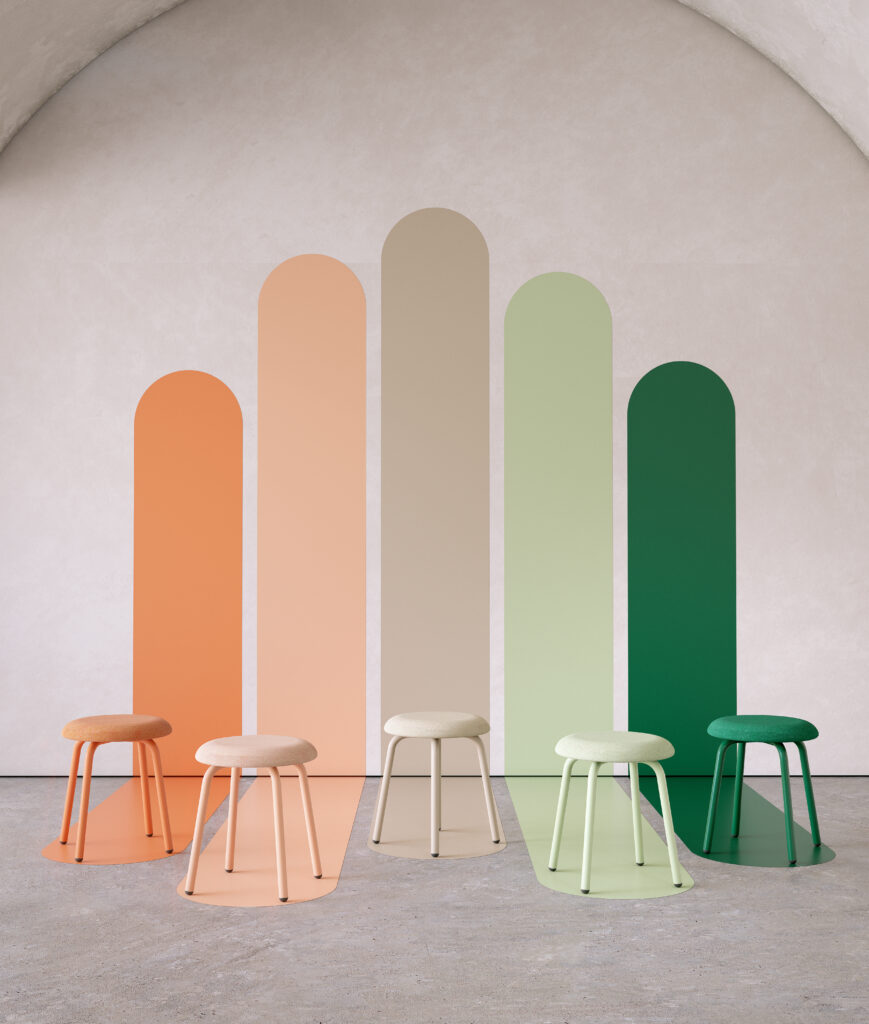
Evolutionary psychology suggests that humans tend to prefer colours commonly found in healthy natural landscapes, indicative of clean water, nutrient-rich vegetation, or flourishing fruits and flowers. This preference is deeply rooted in our past, where the ability to identify these colours signified a conducive and safe environment. Conversely, hues associated with stressed or dying vegetation may be perceived as less beneficial to human health and well-being.
Specific Responses to Different Colours:
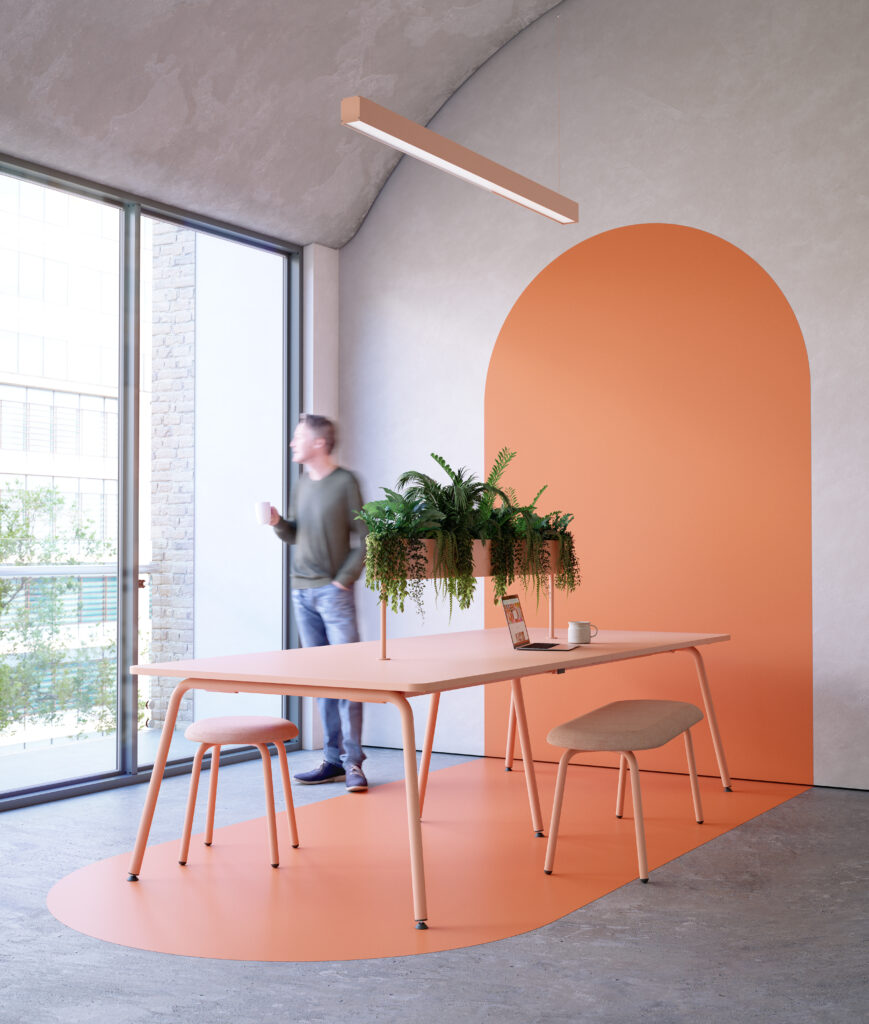
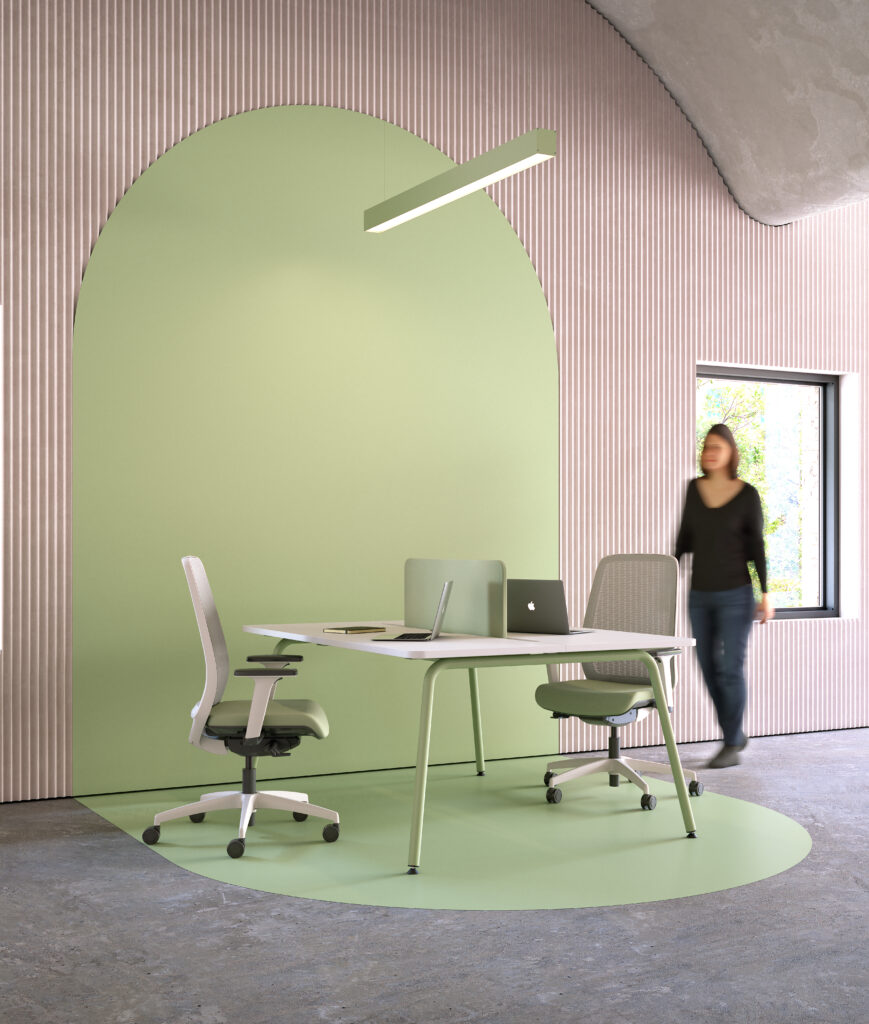
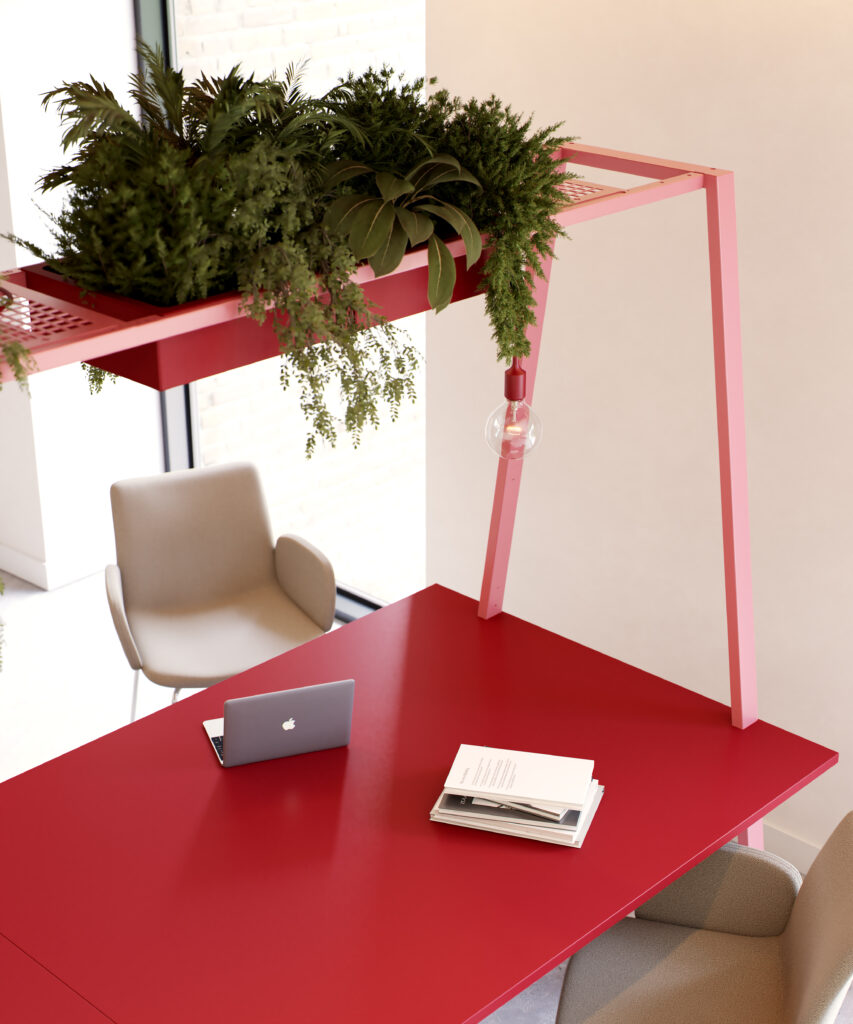
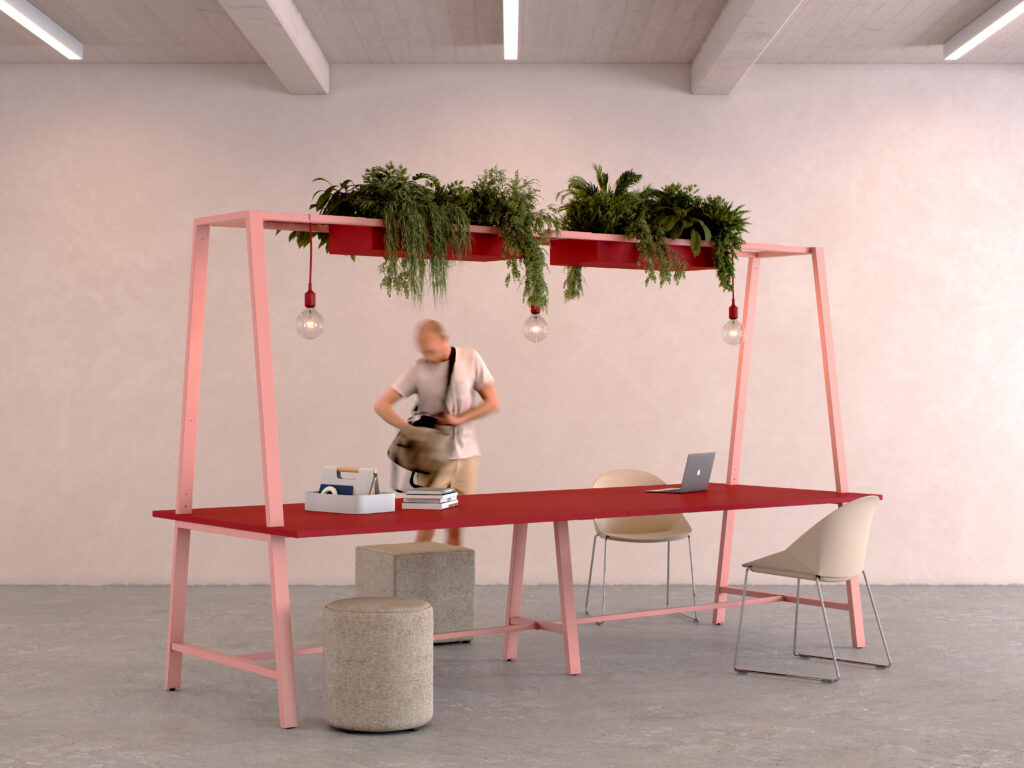
Research indicates that different colours elicit specific physiological and psychological responses. For instance, dark to medium greens can lower heart rate and blood pressure, providing stress relief. On the other hand, certain shades of greens associated with stressed vegetation may have the opposite effect. The colour red has been shown to support mental engagement and attention, while blues and some medium greens enhance mental capacity for tasks requiring creativity.
The Impact of Colour in Design:
While colour is often the first design element noticed when entering a space, studies suggest that for those seeking a creative environment, incorporating accent colours of green, blue, and white could have positive benefits. Green has been highlighted as a crucial colour for enhancing creativity performance, motivating workers, and boosting productivity.
Biophilic Design and Colour Application:
Dr. Stephen Kellert, a prominent figure in social ecology and biophilic design, emphasizes the importance of applying colours that align with nature. Muted “earth” tones reminiscent of soil, rock, and plants are favoured in biophilic design, while bright colours should be cautiously applied, drawing inspiration from appealing environmental forms such as flowers, sunsets, rainbows, and certain plants and animals.
The effect of colour on human well-being is a complex and fascinating realm of study that continues to unfold. As we strive to create environments that nurture creativity, enhance focus, and promote overall well-being, the thoughtful application of colour becomes a powerful tool. Whether it’s the calming greens of nature or the stimulating reds of engagement, understanding the profound impact of colour allows us to design spaces that not only please the eye but also elevate the human experience.