
Wellness-Centric Workspaces: A Design Revolution for Employee Well-being
In the ever-evolving landscape of workplace design, a paradigm shift is underway—one that places employee well-being at the forefront. “Wellness-Centric Workspaces” have taken a pivotal role, transforming the traditional office into an environment that prioritizes not only productivity but also the physical and mental health of employees. In this article, we explore this design revolution and delve into how innovative furniture solutions contribute to creating spaces that promote wellness, comfort, and mental health.

The Rise of Wellness-Centric Workspaces:
The modern workforce is increasingly recognizing the importance of holistic well-being, and this awareness has led to a surge in demand for office spaces that foster a healthier and more supportive atmosphere. Wellness-centric workspaces are designed to enhance employee satisfaction, reduce stress, and boost overall productivity by incorporating elements that cater to both the physical and mental needs of individuals.
Key Elements of Wellness-Centric Design:
1. Ergonomic Furniture:
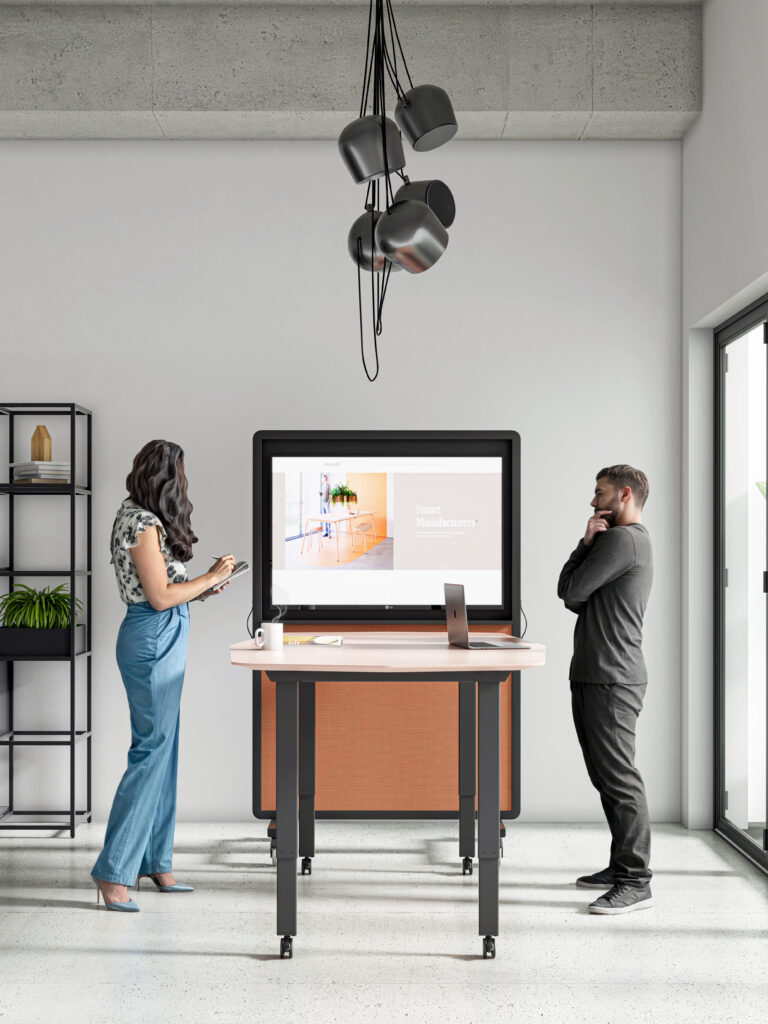
Our commitment to employee well-being starts with ergonomic furniture that prioritizes comfort and supports optimal posture. From height adjustable desks to ergonomic task chairs, these designs can promote a healthier work experience, reducing the risk of musculoskeletal issues associated with prolonged sitting.
2. Biophilic Design:
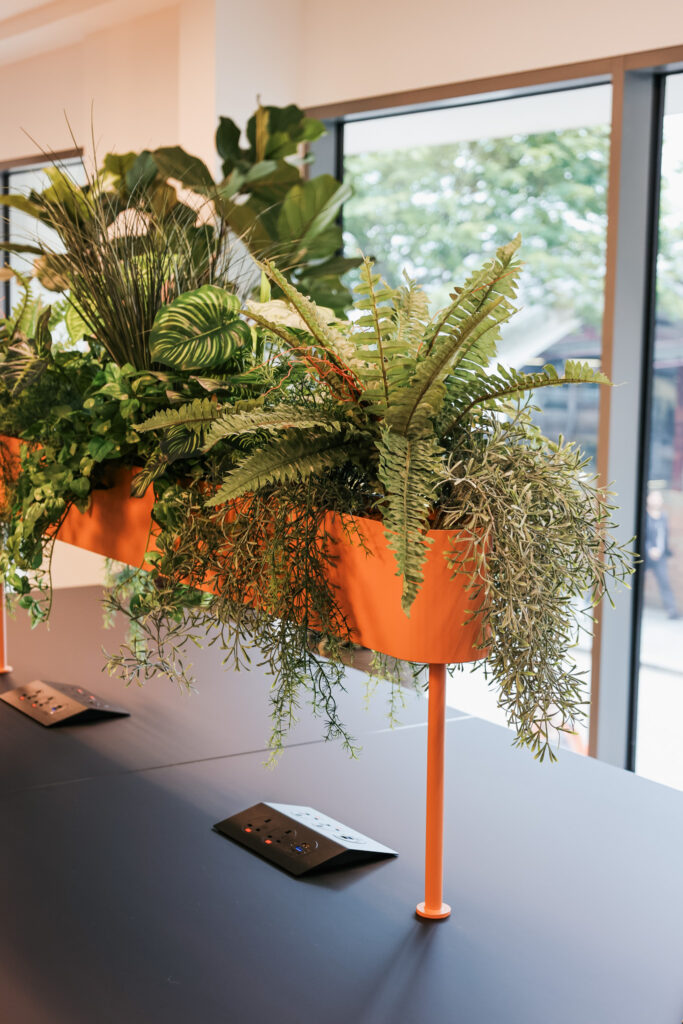
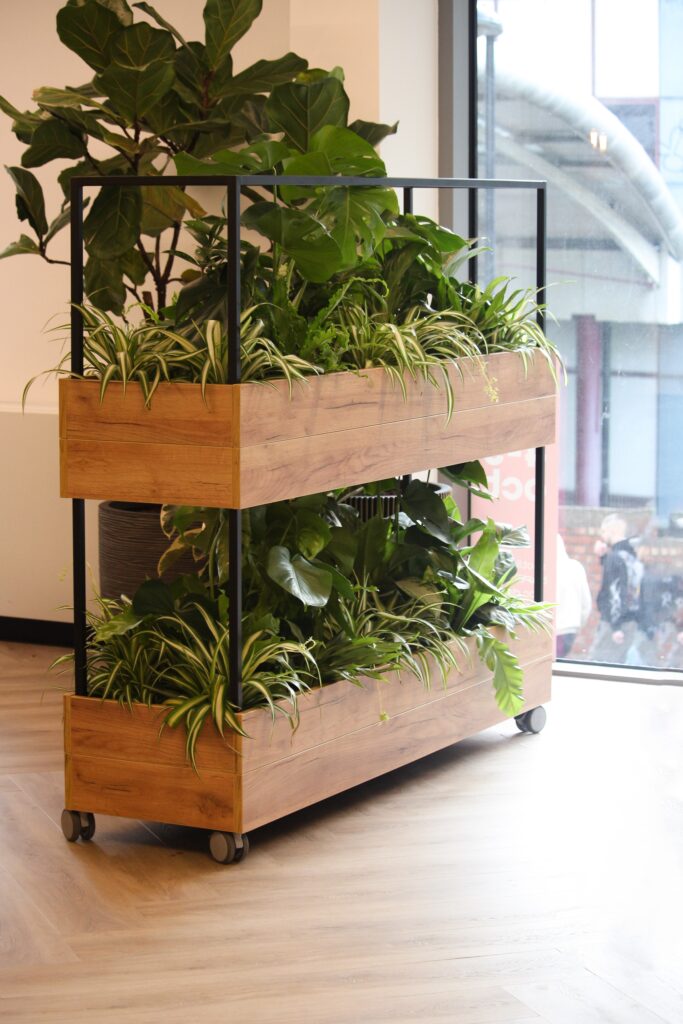
Integrating elements of nature into the office environment has been proven to reduce stress and enhance overall well-being. Prioritising furniture solutions that incorporate biophilic design principles, bringing the outdoors inside and creating a more serene and calming workspace.
3. Flexible Workstations:
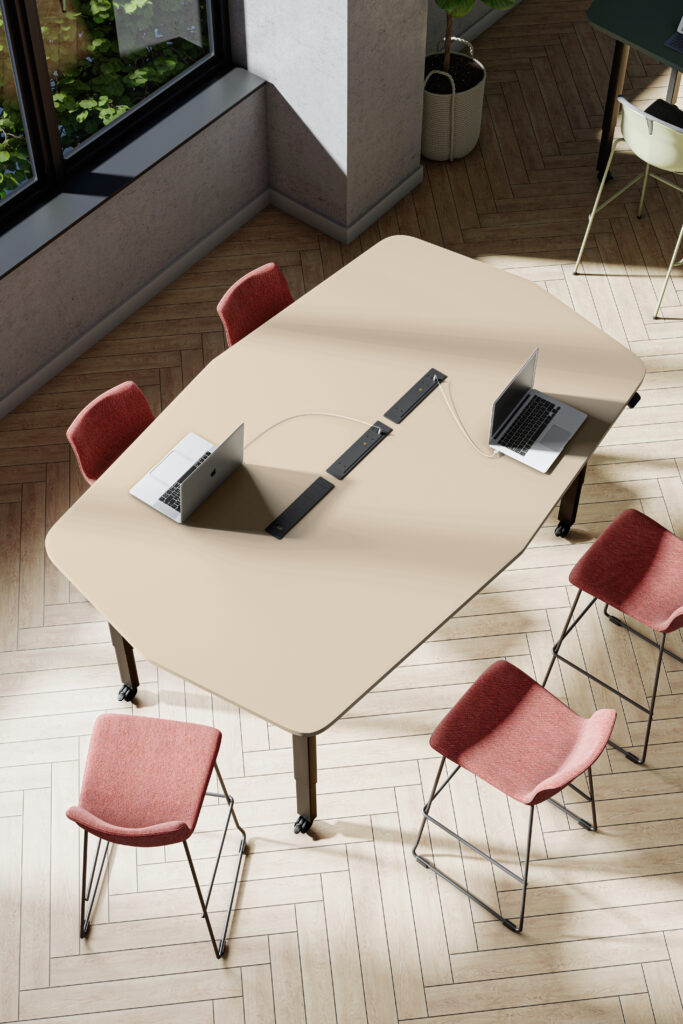
Acknowledging the diverse work styles and requirements of employees, ensure to include flexible workstations that cater to individual preferences. This adaptability allows employees to choose a workspace that suits their needs, promoting a sense of autonomy and control.
4. Technology Integration:
Recognizing the role of technology in the modern workplace, choose furniture that seamlessly integrates with the latest technological advancements. Smart desks, wireless charging stations, and other tech-friendly features are incorporated to enhance convenience and efficiency.
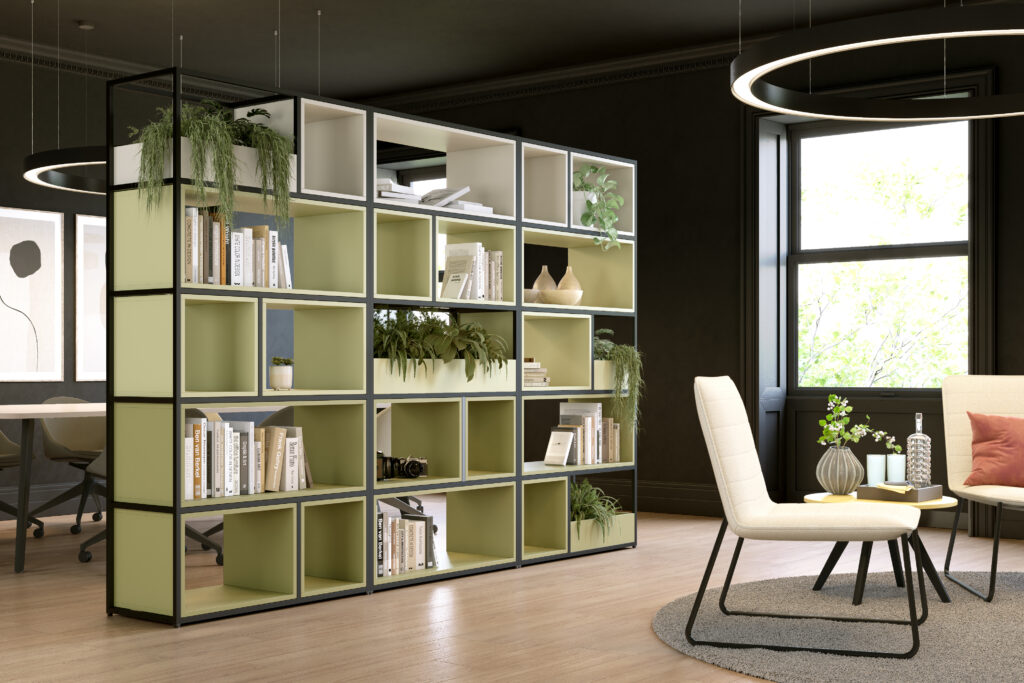
5. Quiet and Collaboration Zones:
Balancing the need for focused work and collaborative efforts, it is important to include designated quiet zones and collaboration areas. These spaces accommodate various work scenarios, ensuring that employees can find the right environment for their tasks.
The shift towards wellness-centric workspaces marks a transformative era in office design, where the health and happiness of employees take centre stage. By investing in furniture solutions that prioritize comfort, flexibility, and mental health, companies not only enhance their employees’ well-being but also foster a culture of productivity and innovation. As we navigate the future of work, the integration of wellness-centric principles into office design stands as a testament to our commitment to creating spaces where employees thrive.